
Sell My Timber in Chicago, IL: Maximize Value with Grade Timber
June 27, 2025
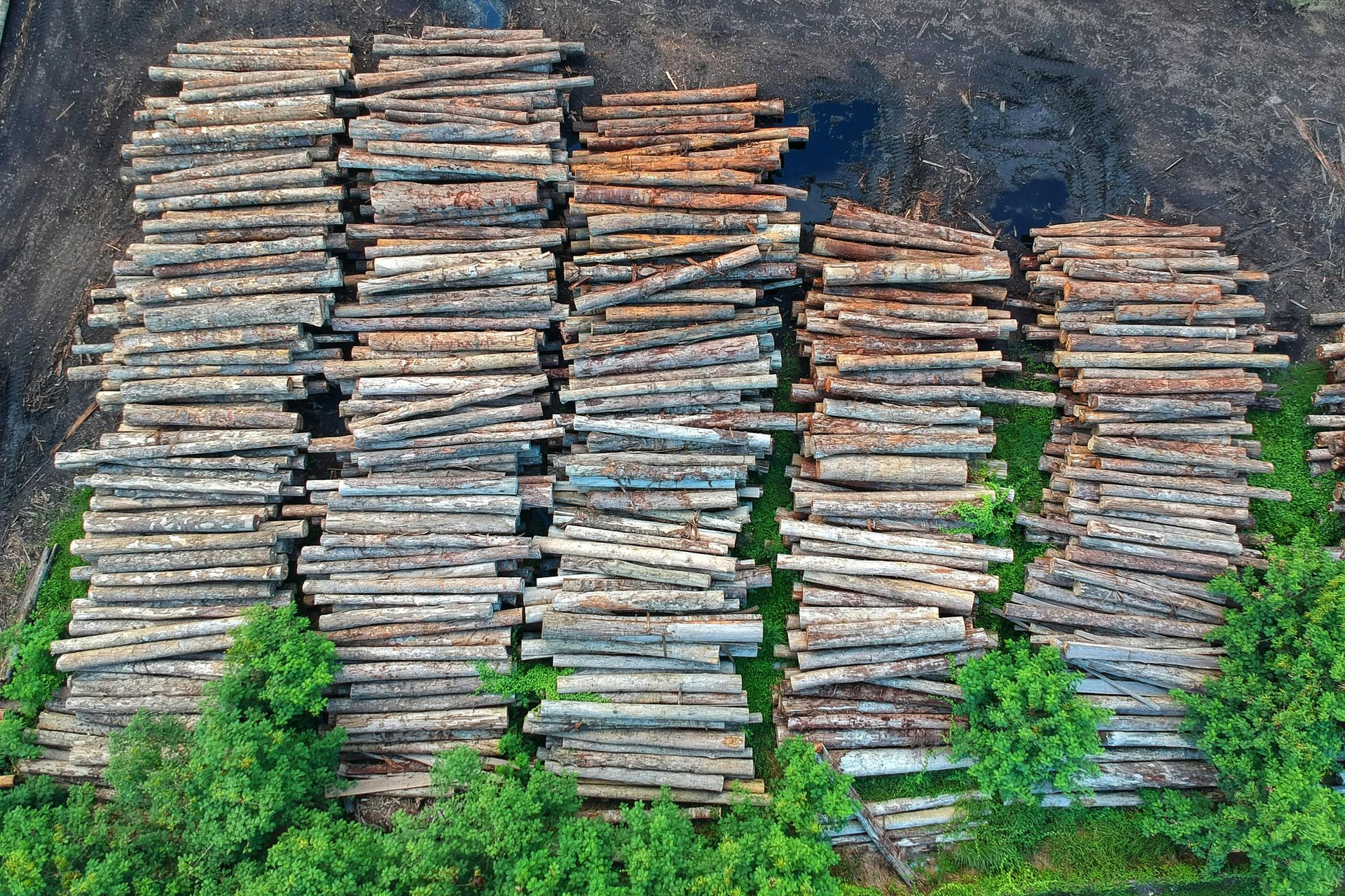
Are you a landowner in Chicago, IL, wondering how to sell your timber? Whether you have a small urban woodlot or a rural forest, your trees could be a valuable asset, offering financial rewards and land improvement opportunities. At [Grade Timber](https://www.gradetimber.com), we’re Chicago’s trusted timber buyer, providing fair appraisals, sustainable harvesting, and a seamless process. In this guide, we’ll explain why selling timber in Chicago is a smart choice, how Grade Timber makes it easy, and tips to ensure a successful sale. Ready to unlock your land’s potential? Call us at (309) 264-0805 or visit [gradetimber.com](https://www.gradetimber.com) for a free consultation!
Learn More
Why Sell Timber in Chicago?
Chicago’s unique position—blending urban development with nearby rural landscapes—creates a strong market for timber. Hardwoods like walnut, white oak, and cherry thrive in Illinois, and our Madison County log yard, just 20 minutes from the St. Louis international shipping port, connects your timber to global demand. Selling timber offers multiple benefits:
- Financial Opportunity: Harvesting trees can generate significant income, depending on species and volume, supporting Illinois’ forestry industry, which employs over 1,000 people (source: [Illinois Department of Natural Resources](https://www.dnr.illinois.gov)).
- Forest Health: Selective harvesting removes overcrowded or aging trees, promoting stronger growth and reducing pest risks.
- Land Enhancement: Clearing timber can prepare your Chicago property for development, agriculture, or recreation, boosting its value.
- Sustainability: Responsible logging, like Grade Timber’s eco-friendly methods, preserves your land for future generations, aligning with [Illinois Forestry Association](https://www.ilforestry.org) guidelines.
Choosing a reputable buyer is critical to avoid environmental damage or unfair deals. Grade Timber’s local expertise ensures you get maximum value with minimal hassle.
How Grade Timber Buys Timber
At Grade Timber, we’ve streamlined the timber-buying process to prioritize landowner satisfaction. Here’s how we work in Chicago:
1. Free, No-Obligation Appraisal
Contact us at (309) 264-0805 or through [gradetimber.com](https://www.gradetimber.com). Our certified foresters visit your property to assess your timber, evaluating:
- Tree species (e.g., high-demand walnut or oak).
- Size, health, and market suitability.
- Chicago’s current market conditions.
You’ll receive a transparent, fair offer with no pressure to proceed.
2. Tailored Harvesting Plan
If you accept the offer, we create a customized plan that aligns with your goals, whether it’s maximizing income or preserving land aesthetics. Our plan includes:
- Selective Harvesting: Targeting specific trees to maintain forest health.
- Regulatory Compliance: Adhering to Chicago ordinances and Illinois DNR rules.
- Low-Impact Methods: Using Tajfun equipment to minimize soil and tree damage.
3. Professional Logging and Cleanup
Our experienced team handles the entire process, from felling trees to hauling logs to our Madison County yard. We prioritize:
- Precision to protect your property.
- Thorough cleanup, leaving your land ready for its next use.
- Efficiency to keep your project on schedule.
4. Prompt Payment
After harvesting, you receive payment quickly, based on the agreed terms, with no delays or hidden fees.
Client Testimonial: “Grade Timber made selling my Chicago timber effortless. Their team was professional and respectful of my land!” – David L., Chicago, IL.
Steps to Sell Your Timber
Ready to sell? Follow these simple steps with Grade Timber:
1. Reach Out: Call (309) 264-0805 or submit a form at [gradetimber.com](https://www.gradetimber.com) to discuss your property.
2. Receive a Quote: Our team assesses your timber and provides a clear, no-obligation offer.
3. Review the Plan: We present a detailed harvesting strategy, open to your feedback.
4. Harvest and Get Paid: We manage logging, cleanup, and payment with transparency.
Pro Tip: Early 2025 is a great time to sell, as Chicago’s timber market peaks with construction and manufacturing demand. Contact us now to get started!
For more insights, read our blog on [Timber Management in Illinois](https://www.gradetimber.com/timber-management-illinois).
Tips for a Successful Timber Sale
To ensure your Chicago timber sale is a success, consider these tips:
- Identify Your Timber: Learn which species you have—walnut and white oak are especially valuable in Chicago. Our appraisers can help.
- Choose Sustainability: Opt for a buyer like Grade Timber, whose low-impact methods protect your land’s future (source: [Illinois DNR](https://www.dnr.illinois.gov)).
- Compare Carefully: Avoid buyers pushing quick sales without clear terms. We provide written contracts for clarity.
- Plan Ahead: Timber sales are a one-time opportunity for mature trees. Our [timber management services](https://www.gradetimber.com/timber-management-illinois) can help maintain your forest’s value.
- Stay Compliant: Chicago has strict tree removal rules. Grade Timber ensures all permits and regulations are followed.
With Grade Timber, you’ll navigate the process confidently, knowing your land and interests are protected.
Why Choose Grade Timber?
Chicago landowners trust us for timber sales because we deliver:
- Local Expertise: Illinois-based, we understand Chicago’s market and regulations, leveraging our Madison County yard for efficiency.
- Eco-Friendly Practices: Our sustainable methods align with Illinois Forestry Association standards, preserving your property.
- Comprehensive Services: Beyond timber buying, we offer [logging services](https://www.gradetimber.com/logging-services-chicago-il) and [land clearing](https://www.gradetimber.com/land-clearing-chicago-il).
- Trusted Reputation: As a Tajfun equipment dealer, we bring logging expertise to every project.
Fun Fact: Chicago’s timber supports industries from furniture to construction, making your trees a vital part of the local economy.
Frequently Asked Questions
How long does a timber sale take?
Most sales take 4-8 weeks, from appraisal to payment, depending on your property’s size and complexity.
Will logging harm my land?
Our low-impact methods minimize disturbance, and we clean up thoroughly to leave your property pristine.
What types of timber do you buy?
We purchase all valuable species, with a focus on walnut, white oak, and other Chicago hardwoods.
Get Started Today
Your Chicago timber is a valuable resource waiting to be tapped. With Grade Timber, selling is easy, sustainable, and landowner-focused. Call us at (309) 264-0805 or visit [gradetimber.com](https://www.gradetimber.com) to schedule your free appraisal. Explore our blogs on [Selling Walnut in Chicago](https://www.gradetimber.com/sell-my-walnut-chicago-il) and [Logging Services in Chicago](https://www.gradetimber.com/logging-services-chicago-il) for more tips. Share your timber sale story in the comments or on X with #SellTimber #ChicagoLogging #GradeTimber!
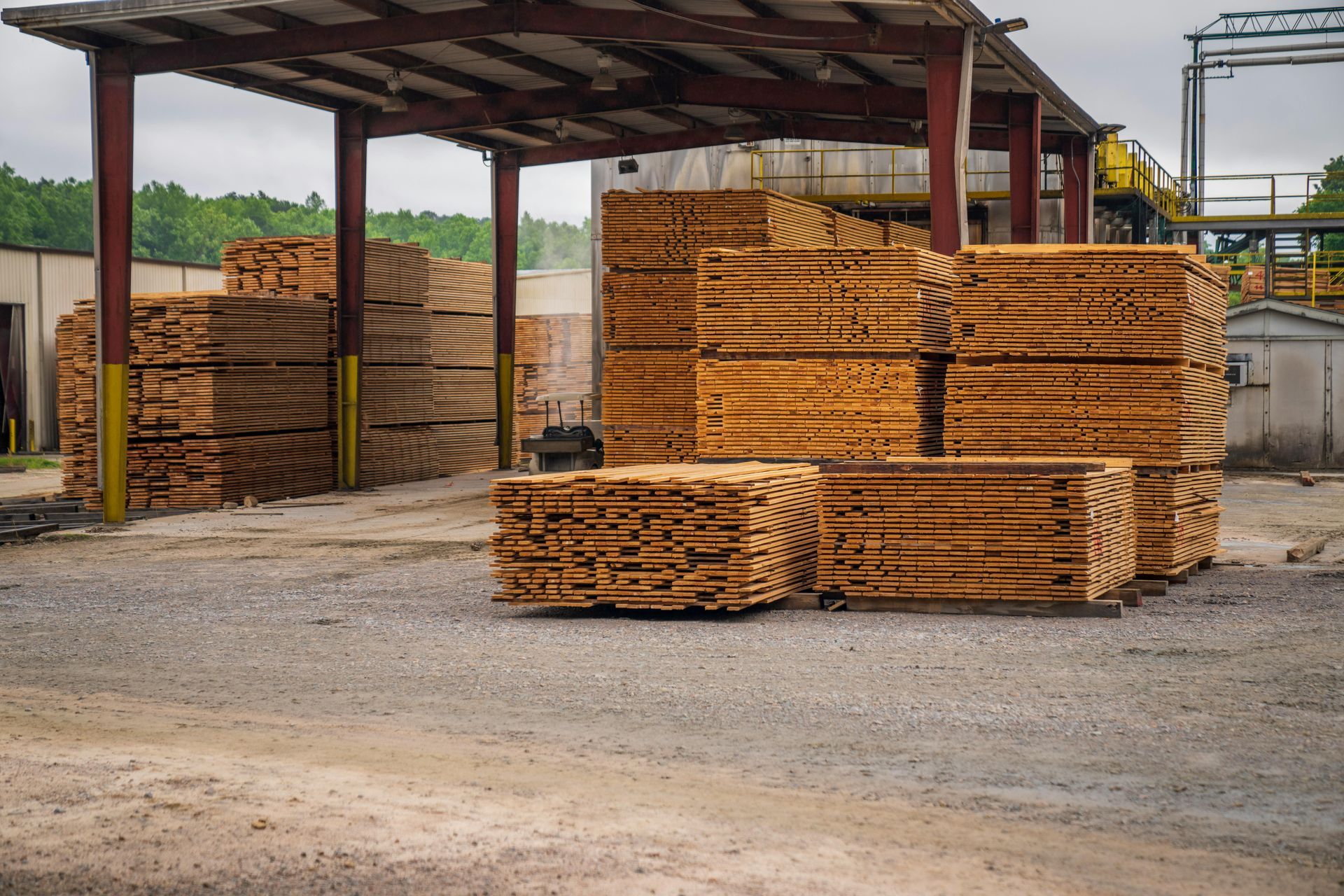
Custom sawmill and processing services for Decatur, IL landowners convert raw Illinois hardwood logs into dimensional lumber, slabs, and specialty products with precise, custom cuts.
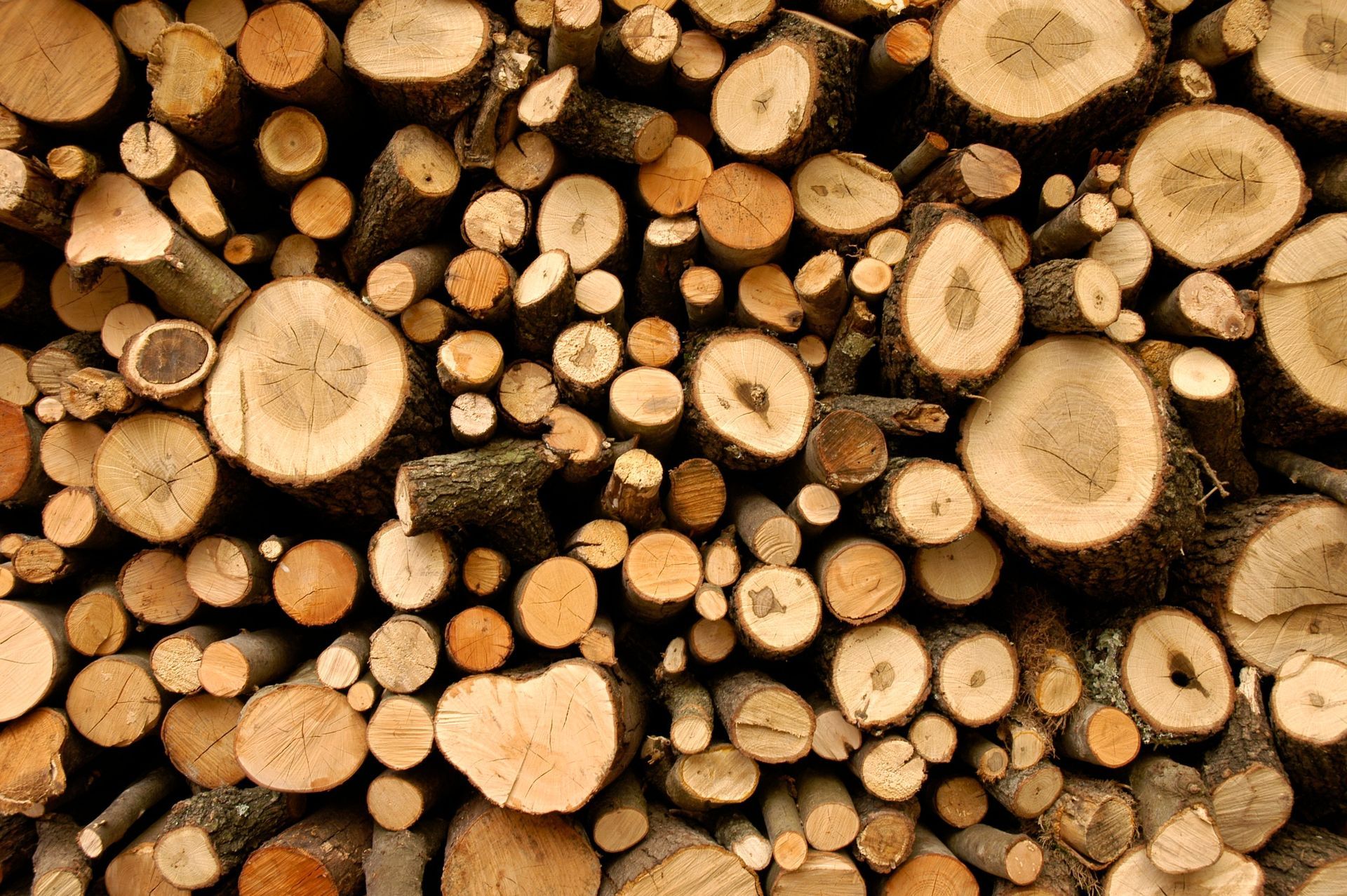
Firewood processing services near Waltonville, IL convert low-grade and cleared timber into split firewood using professional equipment, helping landowners recover value from every log.

Land management in Fairfield, IL helps rural property owners protect timber value, improve wildlife habitat, and plan long-term harvesting strategies across wooded acreage.

Land clearing in McLeansboro, IL helps rural property owners prepare farmland and wooded parcels for new use. Discover how the process works and when timber value can offset costs.
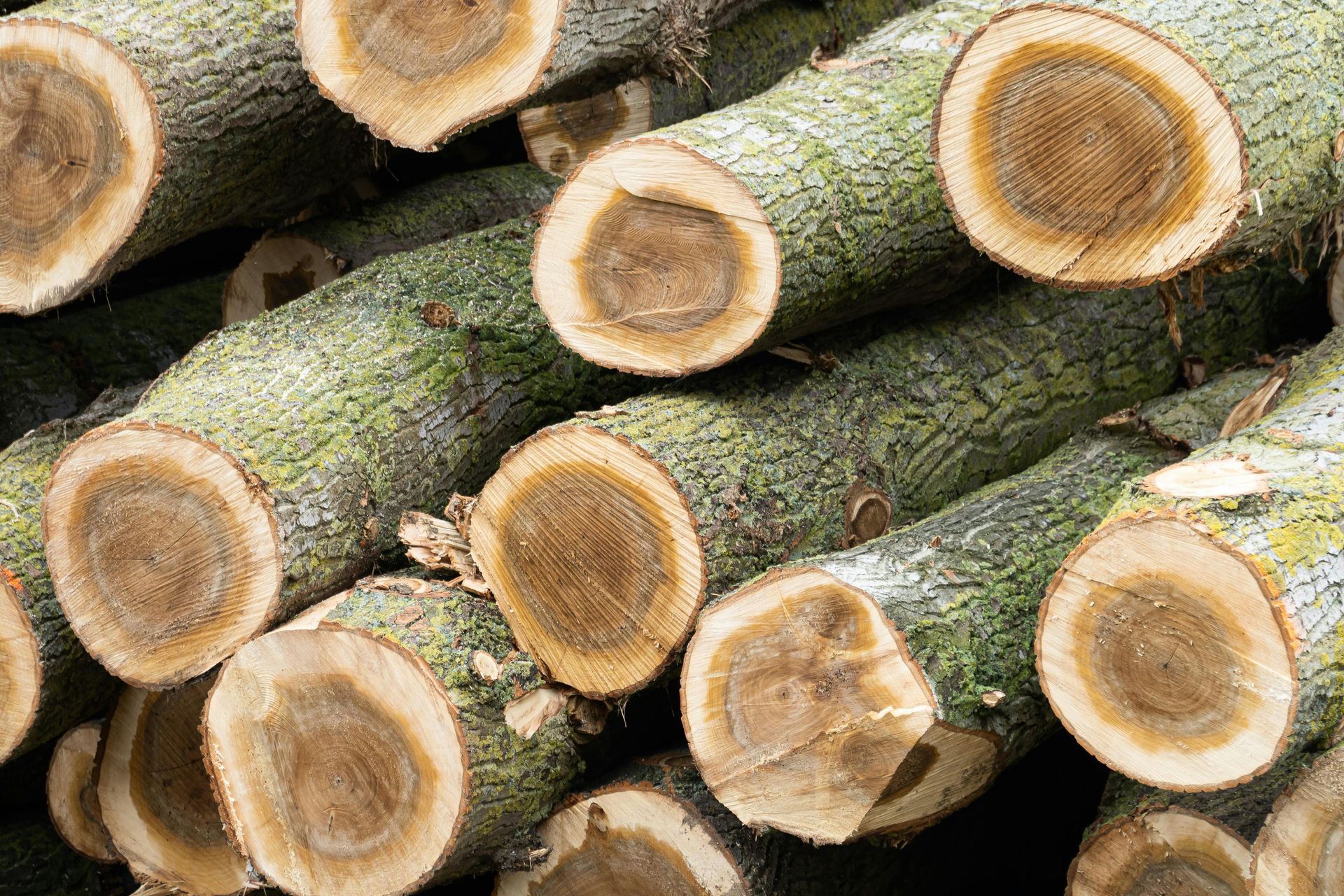
Selling timber in Mount Vernon, IL lets landowners earn income from mature walnut and white oak. Learn how the process works and what Grade Timber looks for in a harvest.
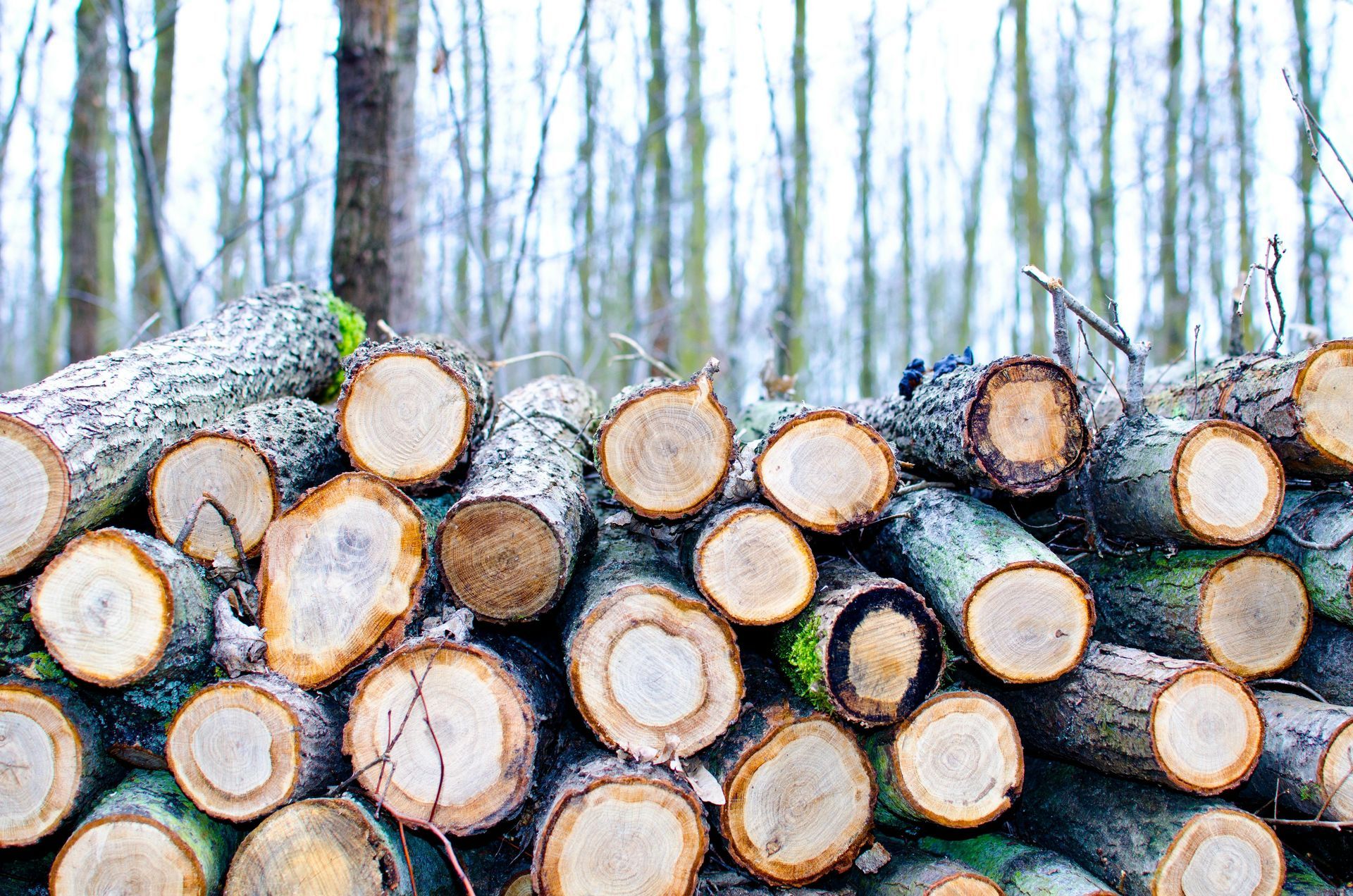
Logging services in Springfield, IL help landowners manage timber, clear overgrowth, and prepare property for future use with low-impact, professional harvesting techniques.
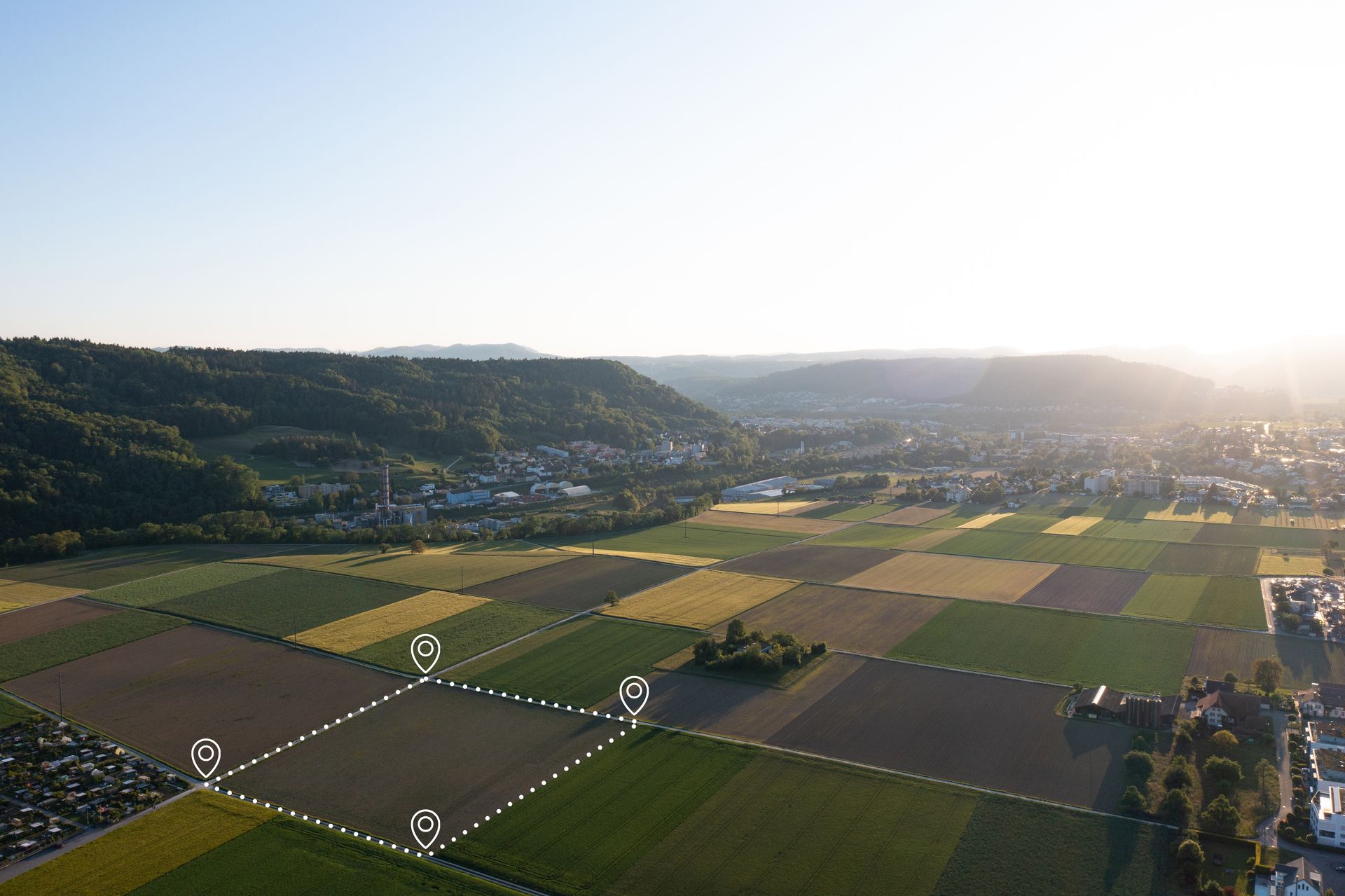
Grade Timber provides professional forestry consulting services in St. Charles, IL helping landowners maximize property value through sustainable forest management and strategic planning.

Grade Timber offers premier excavating services in Urbana, IL including grading, pond excavation, and site preparation backed by decades of experience in land development projects.

Excellence: Grade Timber's White Oak and Walnut Veneer for Boat Builders
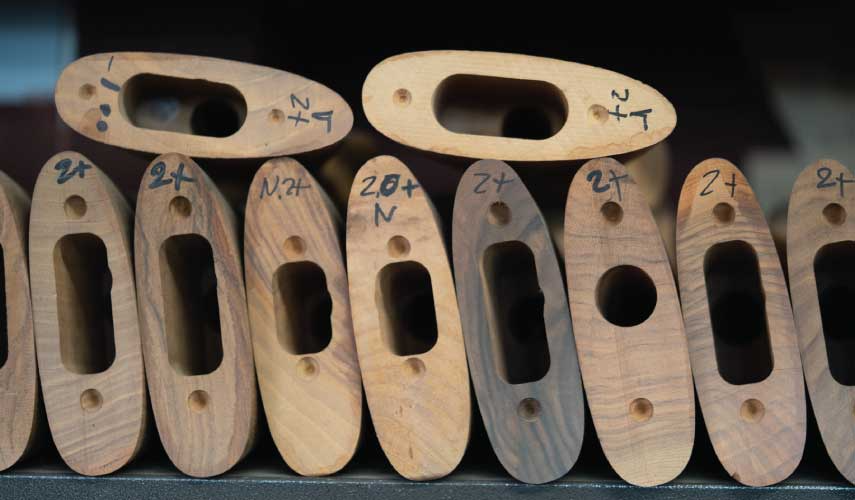
Hey there, fellow woodworking enthusiasts and firearm aficionados! If you've ever held a beautifully crafted rifle and marveled at the rich grain of its walnut stock, you might wonder about the journey that wood takes from a standing tree to that polished piece of art. Today, we're diving deep into the world of sawmills specializing in grading timbers and producing high-quality lumber specifically for gun makers. This process blends traditional craftsmanship with precise techniques to ensure the wood not only looks stunning but also performs under the rigors of shooting. Whether you're a gunsmith, a hunter, or just curious about the behind-the-scenes magic, let's break it down step by step. Selecting the Right Timber: The Foundation of Quality Gun Stocks It all starts in the forest. Gun stocks demand hardwoods that are dense, stable, and aesthetically pleasing—qualities that help absorb recoil, resist warping, and showcase beautiful figuring. Black walnut is the gold standard, often sourced from mature trees at least 24 inches in diameter for the best blanks. Other favorites include claro walnut, maple, or even cherry for historical replicas. Sawmills look for logs from old-growth trees, as these yield the dramatic patterns like fiddleback, burl, or feather crotch that elevate a stock from functional to exhibition-grade. Loggers harvest these trees carefully, cutting them into manageable lengths (often 4-6 feet for stock blanks) and transporting them to the mill. Here, the focus is on maximizing yield while preserving the wood's integrity. Defects like knots or cracks are avoided, as they can compromise the final product. The Sawmill Process: Turning Logs into Blanks At the sawmill, the real transformation begins. Portable band sawmills, like the Norwood HD38 or Woodland Mills HM126, are popular for this niche work because they allow for precise, custom cuts. The key technique? Quarter-sawing. This method involves cutting the log into quarters and then slicing perpendicular to the growth rings, producing straight-grained lumber that's less prone to warping—ideal for gun stocks. Here's a simplified breakdown of the steps: Debarking and Squaring: The log is debarked and squared into a cant (a large rectangular beam) using the mill's blade. This removes sapwood and exposes the heartwood. Slabbing and Cutting Blanks: The cant is rotated and cut into thick slabs, typically 3 inches wide and 34-54 inches long, depending on the rifle type. For black walnut, mills like those featured in custom videos aim to extract multiple blanks from a single log, maximizing the figured sections. Drying: Freshly cut blanks are air-dried or kiln-dried slowly to prevent cracking. A common tip? Seal the ends with hot wax and let them dry for 12 months. Some even hang them indoors with staples for even airflow. Rushing this with methods like alcohol soaking is possible but risky for high-end work. Take a look at this in action—here's a sawmill slicing walnut logs into potential gun stock blanks: