Land Clearing in McLeansboro, IL: A Guide for Rural Property Owners

Team Grade Timber • May 28, 2026

Land Clearing in McLeansboro, IL: A Guide for Rural Property Owners

Land clearing in McLeansboro, IL prepares rural properties for farming, construction, or improved land use by removing trees, brush, and stumps in a controlled and efficient manner.

What Does Land Clearing Actually Include?

Land clearing is the process of removing all trees, stumps, brush, and debris from a defined area so the ground can be used for another purpose, such as crop production, a building site, or improved pasture.

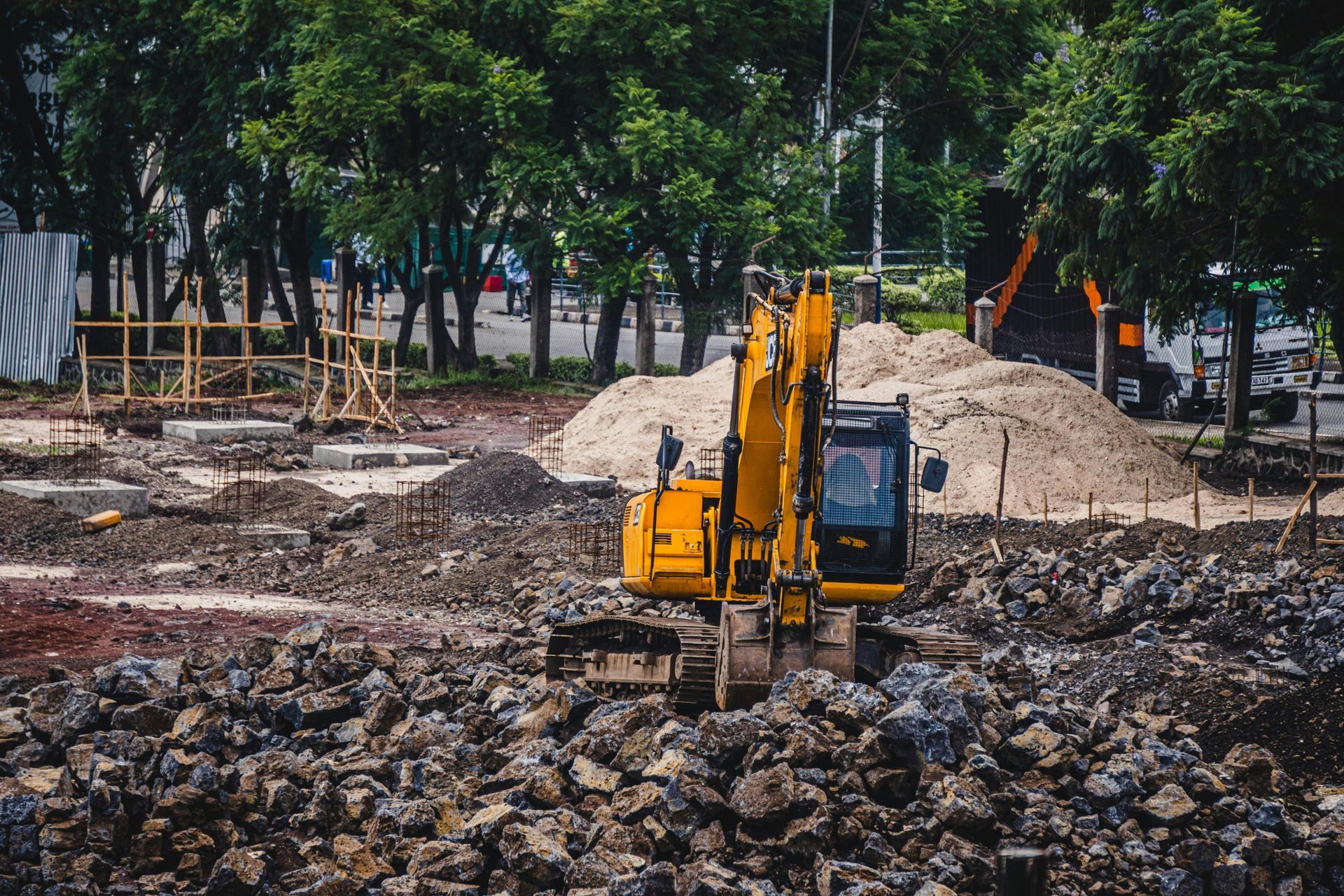
The scope of a land clearing project can range from light brush removal along a fence line to a full-scale clearing of heavily wooded acreage. Most projects involve felling trees, grinding or removing stumps, clearing brush and undergrowth, and hauling or disposing of the resulting debris. The end result is a clean, workable surface ready for the next stage of development or land use.

Some landowners also include site grading or light earth-moving as part of the clearing process, particularly when preparing for construction. If your land clearing project involves significant timber of value, you may be able to offset part of the cost through timber sales on the same site. Learn more about how our land clearing process is structured to deliver a clean, ready site.

Can Land Clearing in Hamilton County Recover Timber Value?

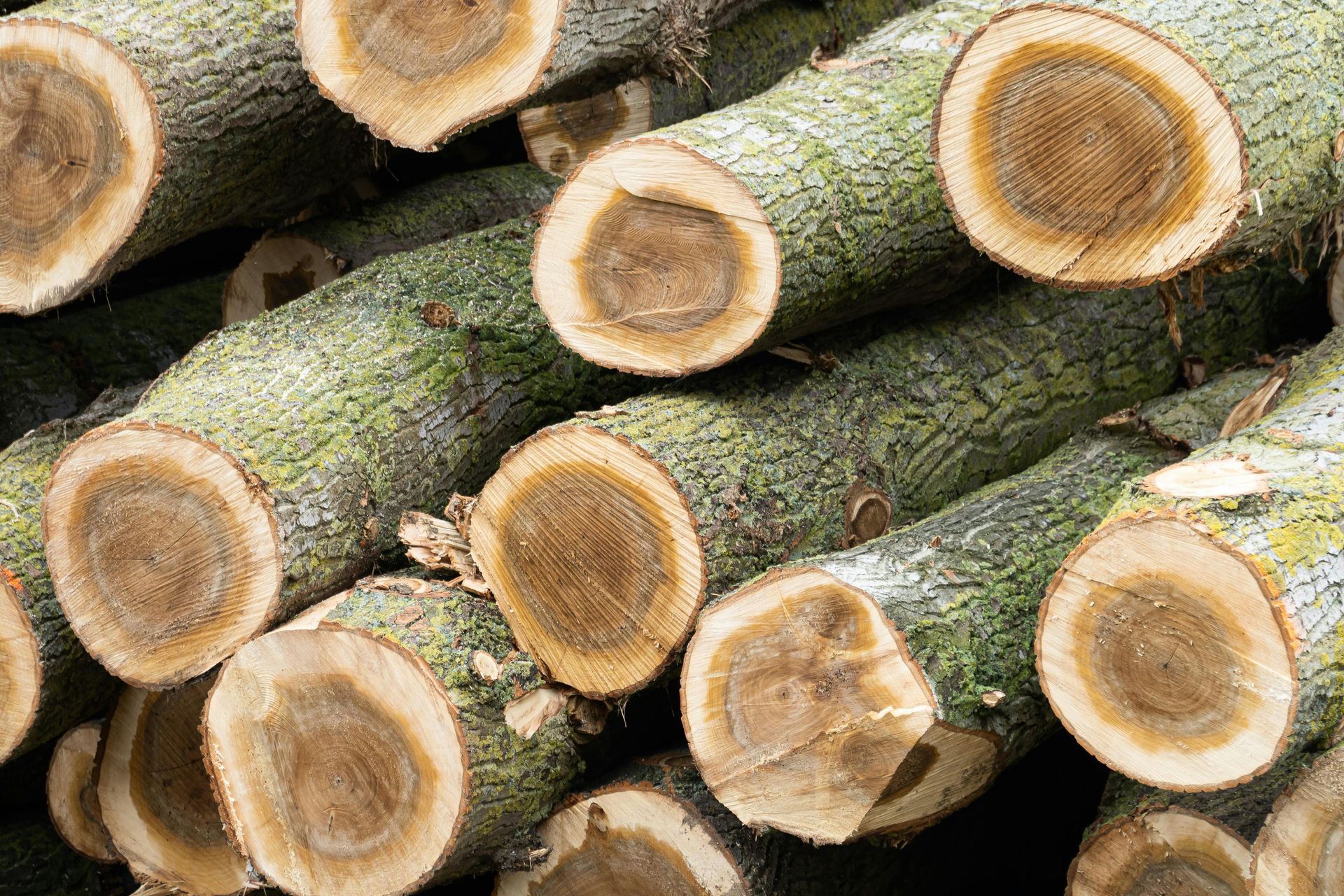
Many Hamilton County landowners are surprised to find that clearing land with mature hardwoods on it can generate timber revenue that partially or fully offsets the cost of the work.

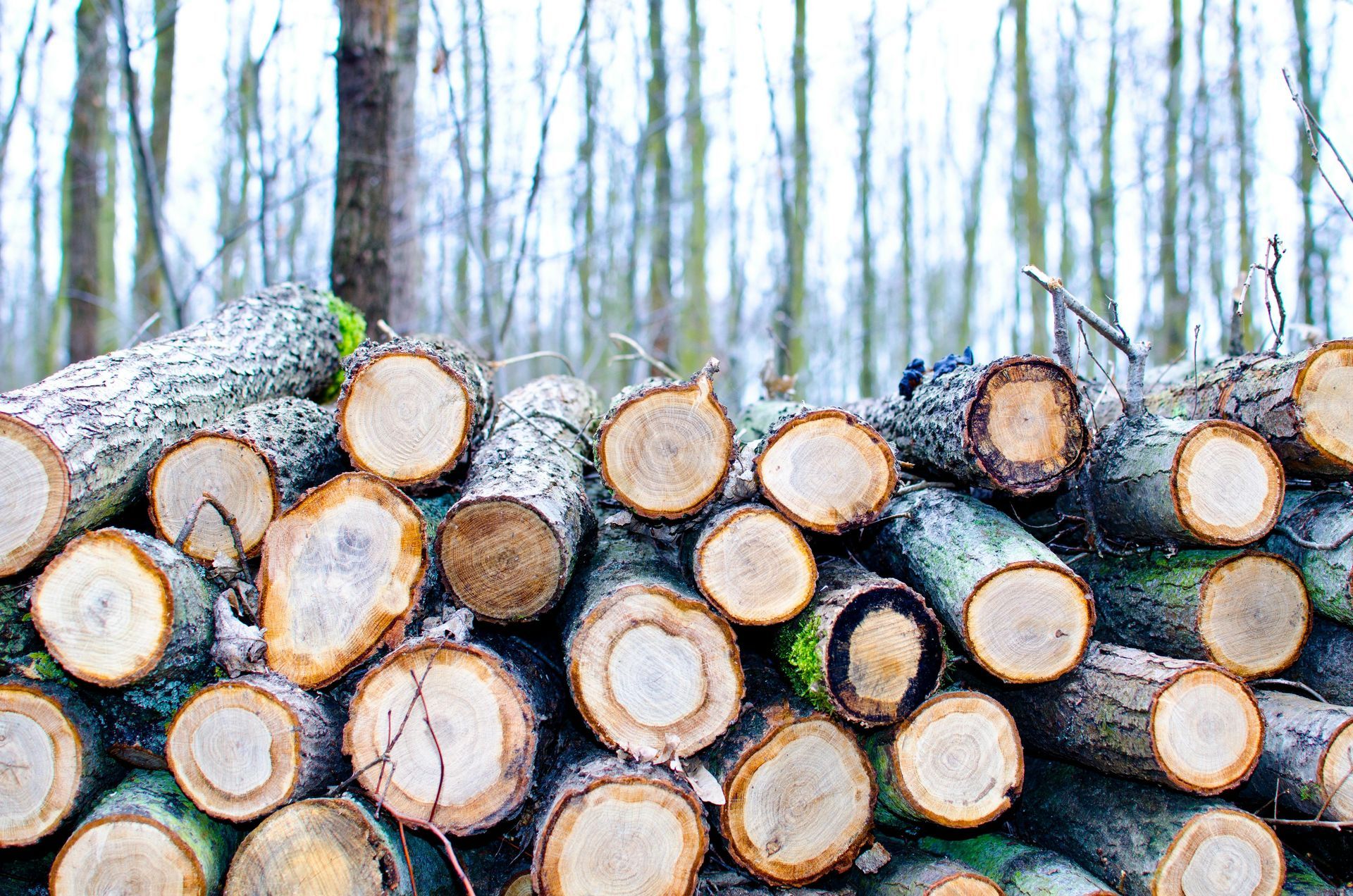
If your wooded acreage includes stands of walnut, white oak, or other marketable hardwood species, a combined timber-buy and clearing operation can make financial sense. Instead of paying solely for removal, you receive payment for the marketable trees first, and the clearing work covers what remains. This approach works well on agricultural land in the McLeansboro area, where decades of boundary tree growth and shelterbelts can contain significant value.

The key is having a timber professional assess the site before any clearing begins. This step ensures that valuable species are identified and separated from brush wood before they are lost in a clearing operation. Combining a timber appraisal with your clearing project is a straightforward way to protect the value already standing on your land.

McLeansboro Agricultural Land: Why Clearing Choices Matter Here

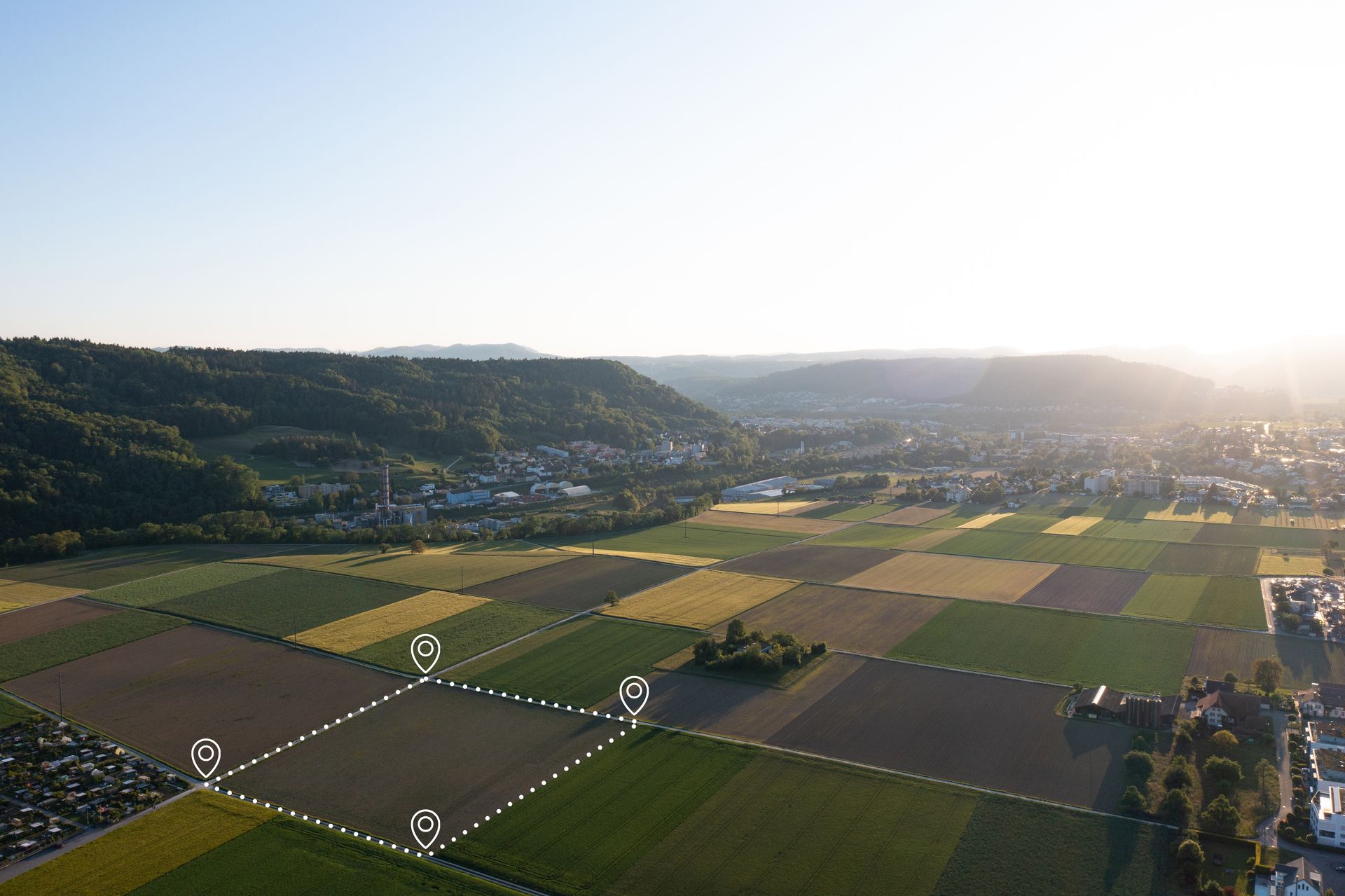
McLeansboro and the surrounding Hamilton County region are characterized by mixed agricultural and wooded properties where crop fields, pasture edges, and timber stands often sit side by side on the same parcel.

This land mix means that clearing decisions can have a direct effect on adjacent crop production. Trees located in or along field edges can be harvested and removed with minimal disruption to active farming operations when the work is planned and sequenced correctly. Clearing work that is done carelessly, on the other hand, can damage drainage tile, compact field edges, or leave stumps that interfere with equipment for years.

Professional land clearing crews familiar with agricultural properties understand how to position equipment access routes, protect tile systems, and leave field edges in a condition that does not create ongoing headaches. Asking about a crew's experience on farm-adjacent properties is a smart question before any agreement is made.

What to Expect After the Clearing Is Complete

After a land clearing project is finished, your property should be free of standing trees, stumps, and brush in the cleared area, with any agreed-upon debris removed or handled according to your project scope.

The timeline for a clearing project depends on the size of the parcel, the density of vegetation, and weather conditions during the work. Smaller jobs with light brush may take a day or two, while heavily wooded multi-acre sites can take a week or more. Your contractor should be able to give you a realistic timeline at the time of the initial assessment.

If timber was present on the cleared site, ongoing care of the remaining land may be worth discussing. Our logging services are available for sites where timber work and clearing overlap, ensuring both elements of the project are handled by the same experienced team.

A well-executed land clearing project transforms a property and opens up options you simply did not have before.

Connect with Grade Timber to discuss your McLeansboro-area clearing project and find out what the land on your property could be worth before work begins.
By Team Grade Timber May 28, 2026
Selling timber in Mount Vernon, IL lets landowners earn income from mature walnut and white oak. Learn how the process works and what Grade Timber looks for in a harvest.
By Team Grade Timber May 28, 2026
Logging services in Springfield, IL help landowners manage timber, clear overgrowth, and prepare property for future use with low-impact, professional harvesting techniques.
Aerial view of farmland with grid patterns, a town, and mountains under a bright sky.
By Grade Timber March 29, 2026
Grade Timber provides professional forestry consulting services in St. Charles, IL helping landowners maximize property value through sustainable forest management and strategic planning.
Yellow excavator on a construction site, surrounded by dirt, gravel, and trees.
By Grade Timber February 27, 2026
Grade Timber offers premier excavating services in Urbana, IL including grading, pond excavation, and site preparation backed by decades of experience in land development projects.
Interior of a boat cabin with wood paneling, light couches, and a coffee table.
February 2, 2026
Excellence: Grade Timber's White Oak and Walnut Veneer for Boat Builders
Wooden gun stocks, some labeled with numbers and letters, arranged in a row.
February 2, 2026
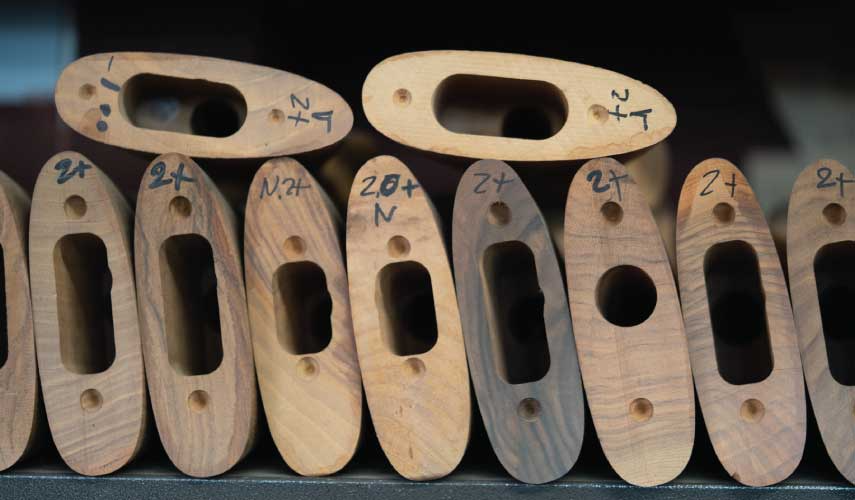
Hey there, fellow woodworking enthusiasts and firearm aficionados! If you've ever held a beautifully crafted rifle and marveled at the rich grain of its walnut stock, you might wonder about the journey that wood takes from a standing tree to that polished piece of art. Today, we're diving deep into the world of sawmills specializing in grading timbers and producing high-quality lumber specifically for gun makers. This process blends traditional craftsmanship with precise techniques to ensure the wood not only looks stunning but also performs under the rigors of shooting. Whether you're a gunsmith, a hunter, or just curious about the behind-the-scenes magic, let's break it down step by step. Selecting the Right Timber: The Foundation of Quality Gun Stocks It all starts in the forest. Gun stocks demand hardwoods that are dense, stable, and aesthetically pleasing—qualities that help absorb recoil, resist warping, and showcase beautiful figuring. Black walnut is the gold standard, often sourced from mature trees at least 24 inches in diameter for the best blanks. Other favorites include claro walnut, maple, or even cherry for historical replicas. Sawmills look for logs from old-growth trees, as these yield the dramatic patterns like fiddleback, burl, or feather crotch that elevate a stock from functional to exhibition-grade. Loggers harvest these trees carefully, cutting them into manageable lengths (often 4-6 feet for stock blanks) and transporting them to the mill. Here, the focus is on maximizing yield while preserving the wood's integrity. Defects like knots or cracks are avoided, as they can compromise the final product. The Sawmill Process: Turning Logs into Blanks At the sawmill, the real transformation begins. Portable band sawmills, like the Norwood HD38 or Woodland Mills HM126, are popular for this niche work because they allow for precise, custom cuts. The key technique? Quarter-sawing. This method involves cutting the log into quarters and then slicing perpendicular to the growth rings, producing straight-grained lumber that's less prone to warping—ideal for gun stocks. Here's a simplified breakdown of the steps: Debarking and Squaring: The log is debarked and squared into a cant (a large rectangular beam) using the mill's blade. This removes sapwood and exposes the heartwood. Slabbing and Cutting Blanks: The cant is rotated and cut into thick slabs, typically 3 inches wide and 34-54 inches long, depending on the rifle type. For black walnut, mills like those featured in custom videos aim to extract multiple blanks from a single log, maximizing the figured sections. Drying: Freshly cut blanks are air-dried or kiln-dried slowly to prevent cracking. A common tip? Seal the ends with hot wax and let them dry for 12 months. Some even hang them indoors with staples for even airflow. Rushing this with methods like alcohol soaking is possible but risky for high-end work. Take a look at this in action—here's a sawmill slicing walnut logs into potential gun stock blanks:
Fall foliage in a forest; trees with orange, yellow, and red leaves; sunlight.
January 29, 2026
As a landowner in Illinois, particularly in areas like Roxana with rich hardwood forests, you might be sitting on a literal goldmine of timber. With rising demand for premium woods like black walnut and white oak, understanding how to spot and appraise valuable trees can turn your property into a profitable asset. At Grade Timber, we're passionate about empowering landowners with the knowledge to make informed decisions. This post summarizes key steps from our free Illinois Landowner's Tree Value Field Guide, drawing on expert insights and current market trends. Whether you're considering a selective harvest or just curious about your woods' worth, let's dive in.
Dark brown wood grain texture.
January 29, 2026
As of early 2026, the black walnut timber market in Illinois is showing signs of stabilization and potential growth, building on a recovery from softer conditions in prior years. Black walnut remains a premium hardwood species, valued for its dark color, durability, and applications in high-end furniture, flooring, cabinetry, gunstocks, and veneer products. Market trends are influenced by domestic housing and remodeling activity, export demand (particularly to Asia), supply chain constraints, and economic factors like interest rates. While specific 2026 price reports are not yet available (Illinois Department of Natural Resources typically releases semi-annual updates), forecasts draw from late 2025 data and industry projections, indicating cautious optimism with possible price fluctuations depending on supply and demand dynamics. Illinois, with its fertile soils in regions like the southern and central parts of the state, is a key producer of black walnut, contributing to the Midwest's hardwood supply. However, challenges such as wet weather impacting logging, mill closures, and labor shortages have kept inventories lean, potentially setting the stage for price increases if demand accelerates. Overall, experts anticipate a balanced market, with walnut performing strongly compared to other hardwoods due to shifting consumer preferences toward darker, rustic woods.
Person in orange vest uses a tablet outdoors, viewing a map-like display, possibly for navigation or data collection.
By Grade Timber January 28, 2026
Grade Timber uses advanced drone technology in Carbondale, IL for forest management including high-resolution imaging, LiDAR integration, and multispectral sensing for accurate property assessment.
Aerial view: Construction site with excavator and truck removing dirt; road on the left, trees on the right.
By Grade Timber January 15, 2026
Grade Timber delivers complete land clearing services in Peoria, IL for development projects and site preparation using commercial-grade equipment and sustainable practices.