Overview of 2026 Black Walnut Timber Market Trends in Illinois
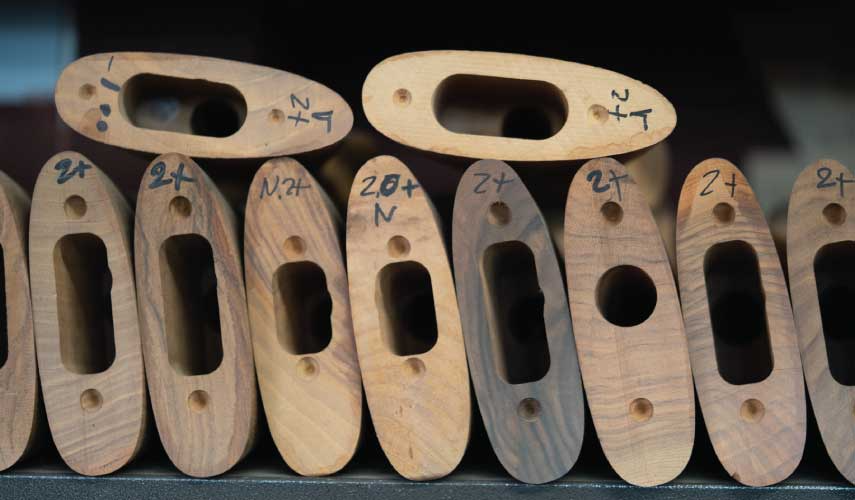
As of early 2026, the black walnut timber market in Illinois is showing signs of stabilization and potential growth, building on a recovery from softer conditions in prior years. Black walnut remains a premium hardwood species, valued for its dark color, durability, and applications in high-end furniture, flooring, cabinetry, gunstocks, and veneer products. Market trends are influenced by domestic housing and remodeling activity, export demand (particularly to Asia), supply chain constraints, and economic factors like interest rates. While specific 2026 price reports are not yet available (Illinois Department of Natural Resources typically releases semi-annual updates), forecasts draw from late 2025 data and industry projections, indicating cautious optimism with possible price fluctuations depending on supply and demand dynamics.
Illinois, with its fertile soils in regions like the southern and central parts of the state, is a key producer of black walnut, contributing to the Midwest's hardwood supply. However, challenges such as wet weather impacting logging, mill closures, and labor shortages have kept inventories lean, potentially setting the stage for price increases if demand accelerates. Overall, experts anticipate a balanced market, with walnut performing strongly compared to other hardwoods due to shifting consumer preferences toward darker, rustic woods.
Current Prices (Based on Latest 2025 Data)
The most recent Illinois-specific prices come from the Spring-Summer 2025 report by the Illinois Department of Natural Resources. These figures are in dollars per thousand board feet (MBF) using the Doyle log rule, which is standard for hardwoods in the region. Prices vary widely based on tree quality, size, location, and market conditions—higher values typically apply to veneer-grade logs with straight grain and minimal defects, while lower prices reflect sawlog or lower-quality material. Statewide averages provide a benchmark, but local sales in areas like southern Illinois (near Roxana) may differ due to proximity to mills and buyers
| Category | Low ($/MBP) | High ($/MBF) | State Avg ($/MBF) |
|---|---|---|---|
| Stumpage (price paid to landowner for standing trees) | $150 | $3,500 | $1,760 |
| Sawlog (logs delivered to mill) | $30 | $3,500 | $1,920 |
| Veneer (high-quality logs for thin slicing) | $400 | $5,000 | $2,890 |
Demand Drivers
Demand for black walnut timber in Illinois remains robust, driven by several key factors:
- Increased housing starts (projected up 8-9% from 2025 to about 1.5 million units nationally) and remodeling spending (forecasted to hit a record $524 billion) are boosting needs for premium hardwoods in interior millwork, stairs, railings, and architectural products. Walnut's popularity in darker, rustic aesthetics has led to sales growth, often complementing species like white oak.
- Strong overseas demand, especially in Vietnam for FAS-grade lumber (3/4", 5/4", and 8/4 thicknesses), has supported prices. Walnut ranks high in export volumes, with loyal buyers driving consistent sales.
- Rising interest in value-added products like surfaced-four-sides (S4S) and width-sorted boards addresses labor shortages and speeds up manufacturing for furniture and millwork. Events like the 2026 World Cup in the U.S. could further spike hospitality-related demand.
- Local demand is enhanced by the state's hardwood forests and proximity to Midwest mills, with experts noting strong interest in Illinois-sourced walnut amid global supply challenges. However, overall hardwood demand has been soft due to economic slowdowns, though walnut has outperformed species like maple or cherry.
Forecasts for 2026
Projections for 2026 are mixed but lean positive, with potential for price appreciation if economic conditions improve. Key insights include:
Walnut prices may ease slightly from 2025 highs due to milder winters improving domestic availability and reduced overseas pressure, but overall hardwood lumber buying prices are expected to trend up modestly. If interest rates continue to fall and consumer spending rebounds, low inventories could trigger sharp increases—up to 30% for certain hardwoods by mid-2026, potentially benefiting walnut as a premium species. Sawlog prices are forecasted to remain stable or see modest gains (4-8%) through early 2026, aligning with broader lumber trends.
Expect continued strength, with sales growth from construction upticks and new product innovations like AI-graded lumber expanding applications. Domestic and export demand could rise 5-10%, though risks from tariffs, weather disruptions, and mill capacity constraints persist.
Supply shortages from recent mill closures (down 20% since 2023) and wet weather may constrain availability, favoring sellers in Illinois. Opportunities lie in sustainable harvesting and value-added processing, with Illinois landowners potentially capitalizing on rising values through professional guidance. Broader economic uncertainty, including labor issues and logistics, could temper growth, but walnut's niche appeal positions it well for resilience.
In summary, the 2026 black walnut market in Illinois appears poised for steady to upward movement, with prices likely ranging from $1,500-2,000/MBF on average for sawlogs and higher for veneer, contingent on macroeconomic improvements. Landowners in Illinois should monitor updates from the Illinois DNR and consider consulting experts for sales timing.