From Forest to Firearm: How Sawmills Grade and Produce Lumber for Gun Stocks
From Forest to Firearm: How Sawmills Grade and Produce Lumber for Gun Stocks
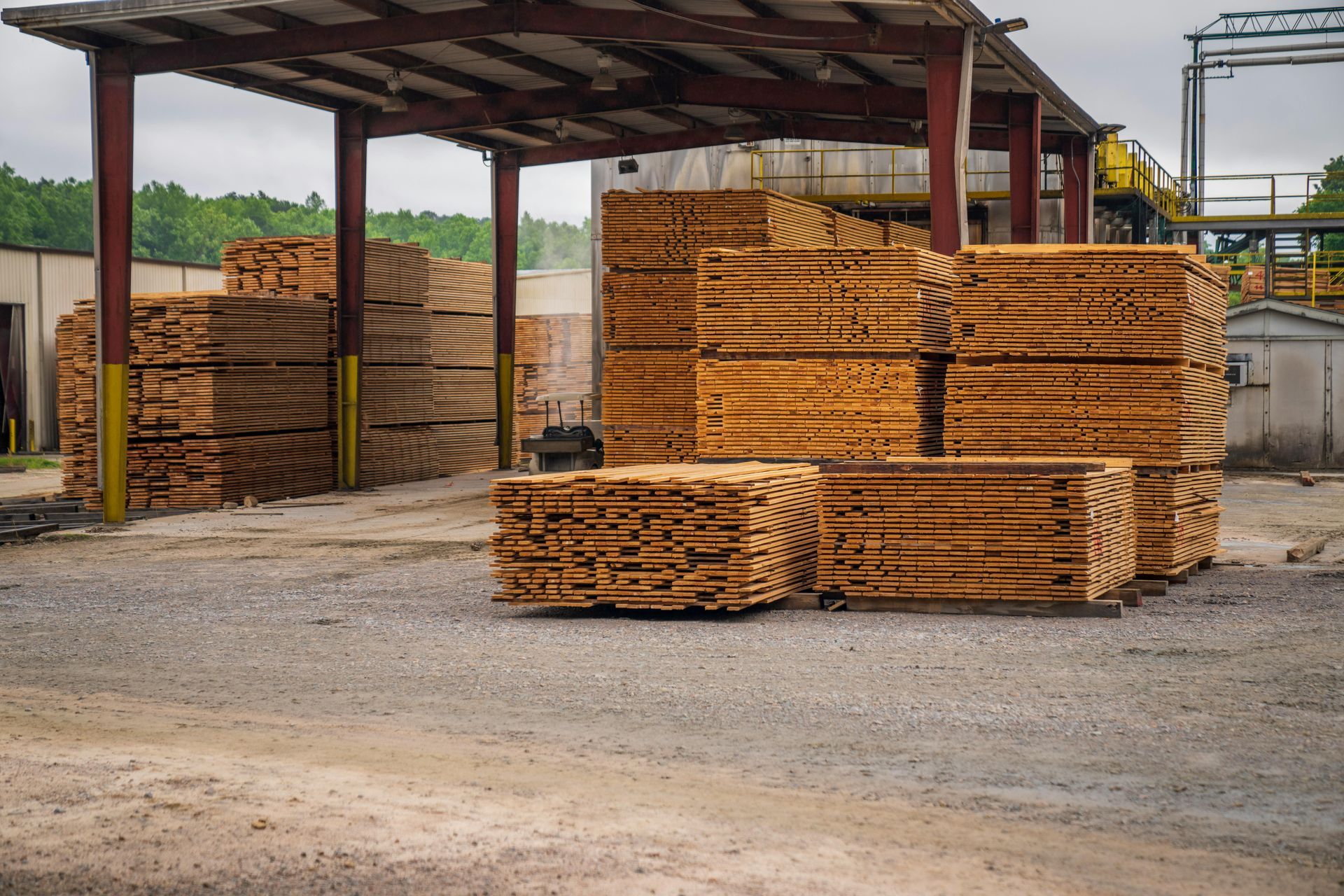
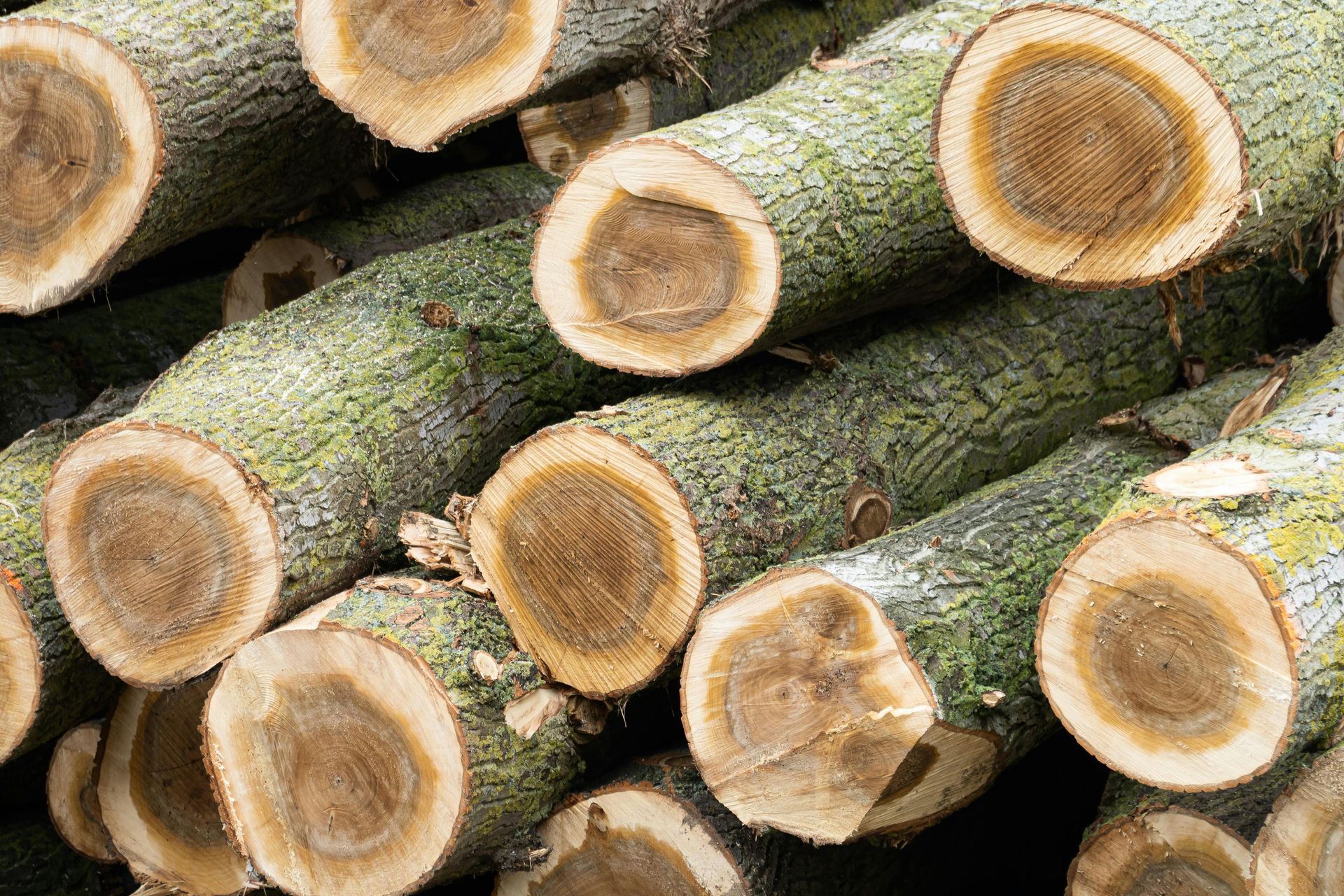
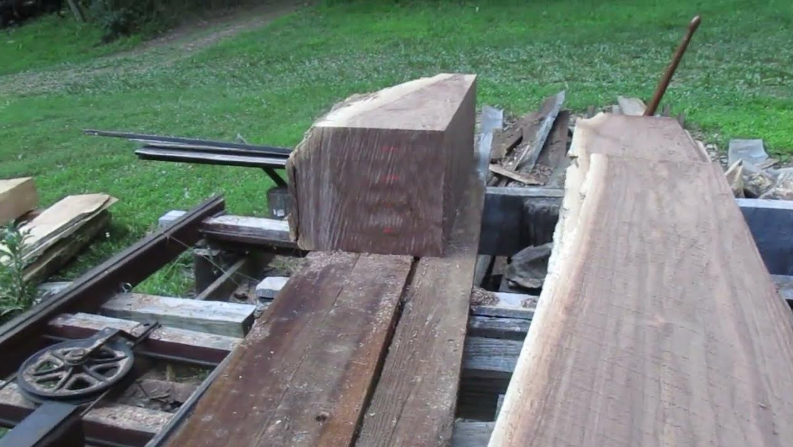
- Debarking and Squaring: The log is debarked and squared into a cant (a large rectangular beam) using the mill's blade. This removes sapwood and exposes the heartwood.
- Slabbing and Cutting Blanks: The cant is rotated and cut into thick slabs, typically 3 inches wide and 34-54 inches long, depending on the rifle type. For black walnut, mills like those featured in custom videos aim to extract multiple blanks from a single log, maximizing the figured sections.
- Drying: Freshly cut blanks are air-dried or kiln-dried slowly to prevent cracking. A common tip? Seal the ends with hot wax and let them dry for 12 months. Some even hang them indoors with staples for even airflow. Rushing this with methods like alcohol soaking is possible but risky for high-end work.

Grading the Lumber: Beauty Meets Functionality
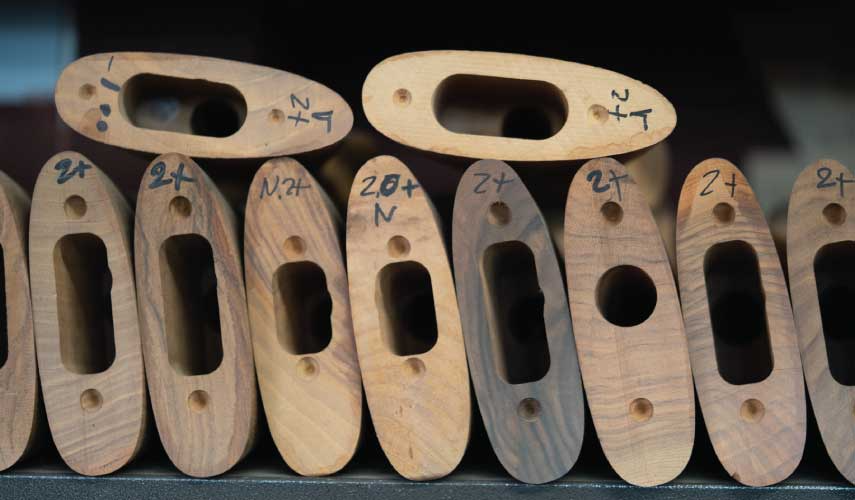
Once dried, the blanks are graded—a subjective yet crucial step handled by specialized suppliers rather than standard lumber mills. Grading focuses on figure (grain patterns), color contrast, density, and defect-free quality. To reveal hidden beauty, graders often wet the wood.
Common grading systems include:
- Standard/Grade 1: Minimal figure, straight grain—great for field rifles.
- Fancy/Grade 3: Moderate figuring covering 30-50% of the stock.
- Exhibition/Grade 5+: Full coverage with rare patterns like marble or burl, from premium old-growth sources.
Higher grades fetch top dollar and are reserved for custom or collector pieces. For shotguns, similar scales apply, with terms like "Extra Fancy" denoting 75% figure.
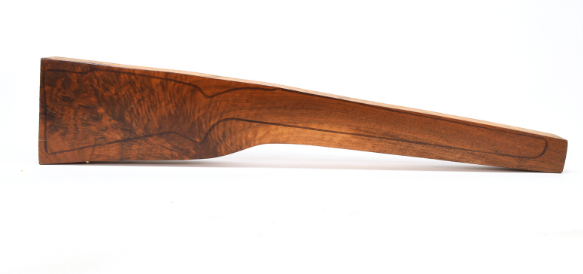
Check out these examples of graded walnut blanks ready for gun makers:
From Sawmill Blank to Gunsmith's Masterpiece
Gun makers receive these graded blanks and take over with tools like bandsaws, routers, and sanders. The process involves inletting for the action, shaping the contours, and applying finishes like oil to highlight the grain. For custom builds, duplicators help replicate designs, but true artisans do much by hand.
Historical note: In places like Iowa, mills once produced millions of walnut stocks annually for military and civilian use. Today, it's more artisanal, with portable mills enabling small-scale operations.
Here's a glimpse of a gunsmith transforming lumber into a finished rifle stock:


Wrapping Up: The Art and Science of Gun Stock Lumber
The path from timber to gun stock is a testament to patience and precision. Sawmills play a pivotal role by grading and processing wood that meets the exacting standards of gun makers, ensuring every rifle not only shoots straight but looks the part. If you're inspired to try this yourself, start with a quality log and a good mill—remember, quarter-sawing is your friend! Got questions or your own experiences? Drop a comment below. Until next time, keep crafting!