What to Expect from Excavating Services in Normal

Team Grade Timber • November 20, 2025

What to Expect from Excavating Services in Normal

Excavating services in Normal provide the specialized earthmoving and site preparation needed for construction projects, land development, and property improvements. Professional excavating contractors handle everything from basement excavation to site grading using modern equipment and proven techniques.

What types of excavating projects do contractors handle?

Professional excavating services include basement and foundation excavation, septic system installation, drainage work, and site preparation for new construction. Contractors also handle utility trenching, pond construction, and grading work for driveways and parking areas.

Land clearing often requires excavating services to remove stumps, grade surfaces, and prepare sites for development. Excavating services in Normal should include proper soil handling, erosion control, and site restoration to ensure your project meets local building codes and environmental standards.

How do excavating contractors plan and execute projects?

Professional excavating starts with detailed site evaluation to assess soil conditions, drainage requirements, and potential challenges. Contractors locate utilities, obtain necessary permits, and develop work schedules that minimize disruption to your property and neighbors.

Quality contractors use GPS technology and laser grading systems to ensure accurate excavation depths and slopes. They understand local soil types and drainage patterns, which helps prevent future settling or water problems with your completed project.

What equipment and techniques ensure quality results?

Modern excavating uses specialized equipment like hydraulic excavators, bulldozers, and compaction equipment sized for your specific project needs. Professional contractors maintain their equipment properly and have backup plans for weather delays or equipment issues.

Proper soil handling and compaction prevents future settling problems. Tree removal services in Normal often work with excavating contractors when land clearing projects require both tree removal and site preparation for new construction or landscaping.

Common excavating systems in Normal area

Normal's clay-based soils require specific excavating techniques to handle moisture and ensure proper drainage. Many local projects involve basement excavation in areas with high groundwater, requiring dewatering systems and waterproofing considerations during construction.

The area's established neighborhoods often need careful excavating around existing utilities and mature trees. Professional contractors understand how to work in tight spaces while protecting existing infrastructure and landscaping features that property owners want to preserve.

Grade Timber provides professional excavating services as part of our comprehensive land management solutions throughout central Illinois. Our experienced operators understand Normal's soil conditions and local requirements for successful project completion. Call (309) 264-0805 to discuss your excavating needs and learn how our team can help prepare your site for construction or development projects.
By Team Grade Timber July 28, 2026
Firewood processing services near Waltonville, IL convert low-grade and cleared timber into split firewood using professional equipment, helping landowners recover value from every log.
By Team Grade Timber June 28, 2026
Land management in Fairfield, IL helps rural property owners protect timber value, improve wildlife habitat, and plan long-term harvesting strategies across wooded acreage.
By Team Grade Timber May 28, 2026
Land clearing in McLeansboro, IL helps rural property owners prepare farmland and wooded parcels for new use. Discover how the process works and when timber value can offset costs.
By Team Grade Timber May 28, 2026
Selling timber in Mount Vernon, IL lets landowners earn income from mature walnut and white oak. Learn how the process works and what Grade Timber looks for in a harvest.
By Team Grade Timber May 28, 2026
Logging services in Springfield, IL help landowners manage timber, clear overgrowth, and prepare property for future use with low-impact, professional harvesting techniques.
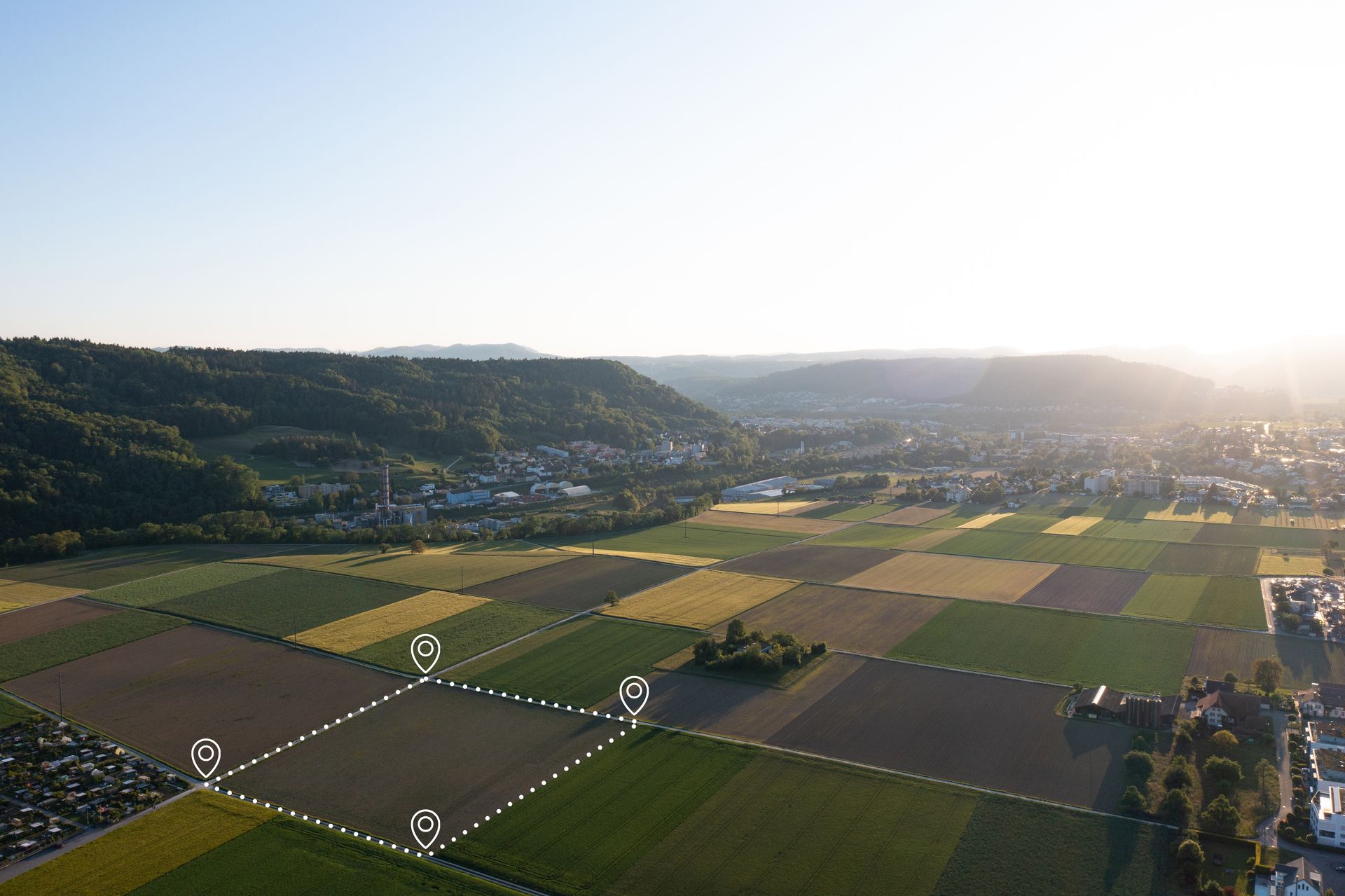
Aerial view of farmland with grid patterns, a town, and mountains under a bright sky.
By Grade Timber March 29, 2026
Grade Timber provides professional forestry consulting services in St. Charles, IL helping landowners maximize property value through sustainable forest management and strategic planning.
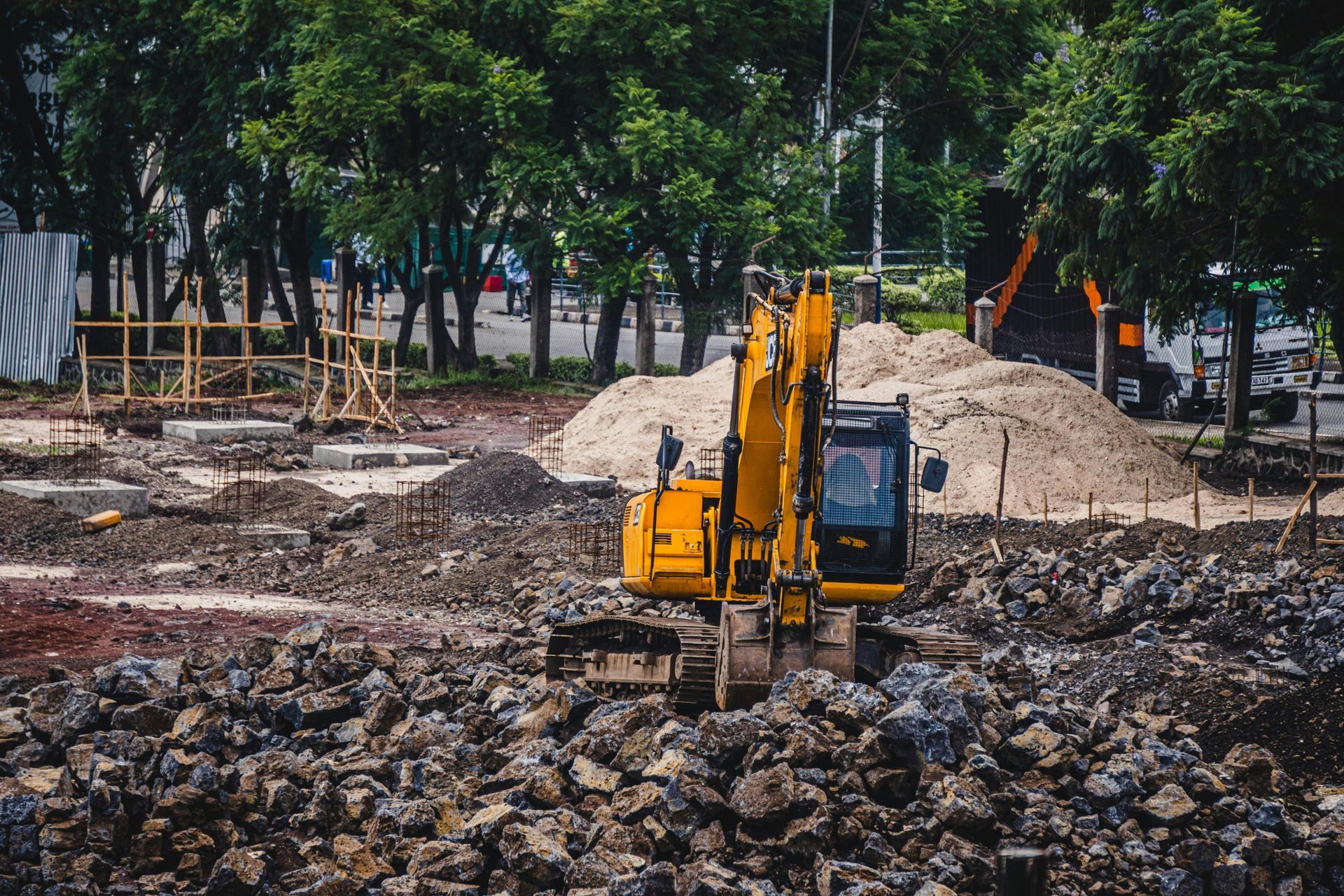
Yellow excavator on a construction site, surrounded by dirt, gravel, and trees.
By Grade Timber February 27, 2026
Grade Timber offers premier excavating services in Urbana, IL including grading, pond excavation, and site preparation backed by decades of experience in land development projects.
Interior of a boat cabin with wood paneling, light couches, and a coffee table.
February 2, 2026
Excellence: Grade Timber's White Oak and Walnut Veneer for Boat Builders
Wooden gun stocks, some labeled with numbers and letters, arranged in a row.
February 2, 2026
Hey there, fellow woodworking enthusiasts and firearm aficionados! If you've ever held a beautifully crafted rifle and marveled at the rich grain of its walnut stock, you might wonder about the journey that wood takes from a standing tree to that polished piece of art. Today, we're diving deep into the world of sawmills specializing in grading timbers and producing high-quality lumber specifically for gun makers. This process blends traditional craftsmanship with precise techniques to ensure the wood not only looks stunning but also performs under the rigors of shooting. Whether you're a gunsmith, a hunter, or just curious about the behind-the-scenes magic, let's break it down step by step. Selecting the Right Timber: The Foundation of Quality Gun Stocks It all starts in the forest. Gun stocks demand hardwoods that are dense, stable, and aesthetically pleasing—qualities that help absorb recoil, resist warping, and showcase beautiful figuring. Black walnut is the gold standard, often sourced from mature trees at least 24 inches in diameter for the best blanks. Other favorites include claro walnut, maple, or even cherry for historical replicas. Sawmills look for logs from old-growth trees, as these yield the dramatic patterns like fiddleback, burl, or feather crotch that elevate a stock from functional to exhibition-grade. Loggers harvest these trees carefully, cutting them into manageable lengths (often 4-6 feet for stock blanks) and transporting them to the mill. Here, the focus is on maximizing yield while preserving the wood's integrity. Defects like knots or cracks are avoided, as they can compromise the final product. The Sawmill Process: Turning Logs into Blanks At the sawmill, the real transformation begins. Portable band sawmills, like the Norwood HD38 or Woodland Mills HM126, are popular for this niche work because they allow for precise, custom cuts. The key technique? Quarter-sawing. This method involves cutting the log into quarters and then slicing perpendicular to the growth rings, producing straight-grained lumber that's less prone to warping—ideal for gun stocks. Here's a simplified breakdown of the steps: Debarking and Squaring: The log is debarked and squared into a cant (a large rectangular beam) using the mill's blade. This removes sapwood and exposes the heartwood. Slabbing and Cutting Blanks: The cant is rotated and cut into thick slabs, typically 3 inches wide and 34-54 inches long, depending on the rifle type. For black walnut, mills like those featured in custom videos aim to extract multiple blanks from a single log, maximizing the figured sections. Drying: Freshly cut blanks are air-dried or kiln-dried slowly to prevent cracking. A common tip? Seal the ends with hot wax and let them dry for 12 months. Some even hang them indoors with staples for even airflow. Rushing this with methods like alcohol soaking is possible but risky for high-end work. Take a look at this in action—here's a sawmill slicing walnut logs into potential gun stock blanks:
Fall foliage in a forest; trees with orange, yellow, and red leaves; sunlight.
January 29, 2026
As a landowner in Illinois, particularly in areas like Roxana with rich hardwood forests, you might be sitting on a literal goldmine of timber. With rising demand for premium woods like black walnut and white oak, understanding how to spot and appraise valuable trees can turn your property into a profitable asset. At Grade Timber, we're passionate about empowering landowners with the knowledge to make informed decisions. This post summarizes key steps from our free Illinois Landowner's Tree Value Field Guide, drawing on expert insights and current market trends. Whether you're considering a selective harvest or just curious about your woods' worth, let's dive in.