Custom Sawmill and Processing Services Available to Decatur, IL Landowners

Team Grade Timber • August 28, 2026

Custom Sawmill and Processing Services Available to Decatur, IL Landowners

Custom sawmill and processing services available to Decatur, IL landowners convert raw logs into dimensional lumber, slabs, beams, and specialty wood products tailored to individual project needs.

What Can a Custom Sawmill Do That a Lumber Yard Cannot?

A custom sawmill processes your specific logs into the exact dimensions, species, and cut style you need, rather than selling you off-the-shelf lumber that may not match your project requirements.

When you bring your own logs to a sawmill, you control the outcome. You can specify the thickness of the cut, whether you want live-edge slabs or dimensional boards, how the grain is oriented for structural or visual purposes, and which sections of each log are used for which products. This level of customization is simply not available when buying kiln-dried commodity lumber at a standard retailer, where stock is what it is and specialty cuts are rarely an option.

Custom-sawn lumber from locally harvested Illinois hardwoods also tends to be significantly more affordable than equivalent specialty products purchased retail. If you have your own logs or access to timber on your property, working with a sawmill can turn that raw material into a finished product worth substantially more than the standing timber itself. Review what our processing services include to understand the full scope of what we can do with your material.

Which Illinois Hardwood Species Are Most Sought After for Custom Processing?

Black walnut and white oak remain the most sought-after Illinois hardwoods for custom processing, driven by demand across furniture, flooring, cabinetry, gunstock manufacturing, and cooperage.

Walnut's rich chocolate-brown color and fine grain make it a favorite for furniture makers, craftspeople, and anyone building for visual impact. White oak offers exceptional stability and a tight grain structure that holds up well in structural applications, flooring, and barrel production. Both species are native to central Illinois, and properties in the Decatur and Macon County area often contain quality specimens that would produce outstanding results through custom processing.

Other species worth processing include red oak, hickory, cherry, and hard maple, depending on the intended use. Each species has distinct working characteristics, appearance, and structural properties that make it better suited to some applications than others. A sawmill professional can advise on how to get the best yield from each species given your particular log inventory.

Decatur, IL Timber Markets: What Landowners Are Selling Right Now

Decatur and the broader Macon County area sit in the heart of central Illinois, where a long history of agricultural and rural land use has produced scattered but meaningful pockets of mature hardwood timber on farmsteads, creek bottoms, and wooded acreage.

Regional demand for walnut has remained strong, driven by both domestic furniture and flooring markets and by export buyers in Europe and Asia who prize American black walnut for high-end applications. White oak demand has also increased steadily in recent years as barrel-aged spirits production continues to grow and as architects and designers increasingly specify domestic white oak for commercial flooring and millwork projects. These market conditions mean that Decatur-area landowners with quality timber are operating in a favorable selling environment.

Working with a buyer or processor who tracks current market conditions helps you time your sale and processing decisions to align with demand cycles, which can make a meaningful difference in the return you receive for your timber and custom-processed products.

How Sawmill Processing and Timber Buying Can Work Together on the Same Property

On many properties, the highest-value trees go to a timber buyer as sawlogs, while second-tier material is processed through a sawmill into dimensional lumber or slabs for direct use or resale.

This layered approach maximizes the return from a single property by putting each log to its highest and best use. Premium, straight-grained logs go to buyers who can pay top market rates for veneer or sawlog-quality timber. Logs with minor defects, shorter lengths, or species with limited buyer demand go to the sawmill, where they become custom lumber, live-edge slabs, or specialty products that can be sold directly to craftspeople, builders, or homeowners.

If your Decatur-area property has both high-grade and lower-grade timber, our timber buying process works hand in hand with custom processing to ensure that every log is used at maximum value without anything going to waste.

Custom sawmill processing is a powerful tool for landowners who want more than a single timber sale from their property.

Request a consultation with Grade Timber to find out how custom processing could work with the timber on your Decatur-area land.

By Team Grade Timber July 28, 2026
Firewood processing services near Waltonville, IL convert low-grade and cleared timber into split firewood using professional equipment, helping landowners recover value from every log.
By Team Grade Timber June 28, 2026
Land management in Fairfield, IL helps rural property owners protect timber value, improve wildlife habitat, and plan long-term harvesting strategies across wooded acreage.
By Team Grade Timber May 28, 2026
Land clearing in McLeansboro, IL helps rural property owners prepare farmland and wooded parcels for new use. Discover how the process works and when timber value can offset costs.
By Team Grade Timber May 28, 2026
Selling timber in Mount Vernon, IL lets landowners earn income from mature walnut and white oak. Learn how the process works and what Grade Timber looks for in a harvest.
By Team Grade Timber May 28, 2026
Logging services in Springfield, IL help landowners manage timber, clear overgrowth, and prepare property for future use with low-impact, professional harvesting techniques.
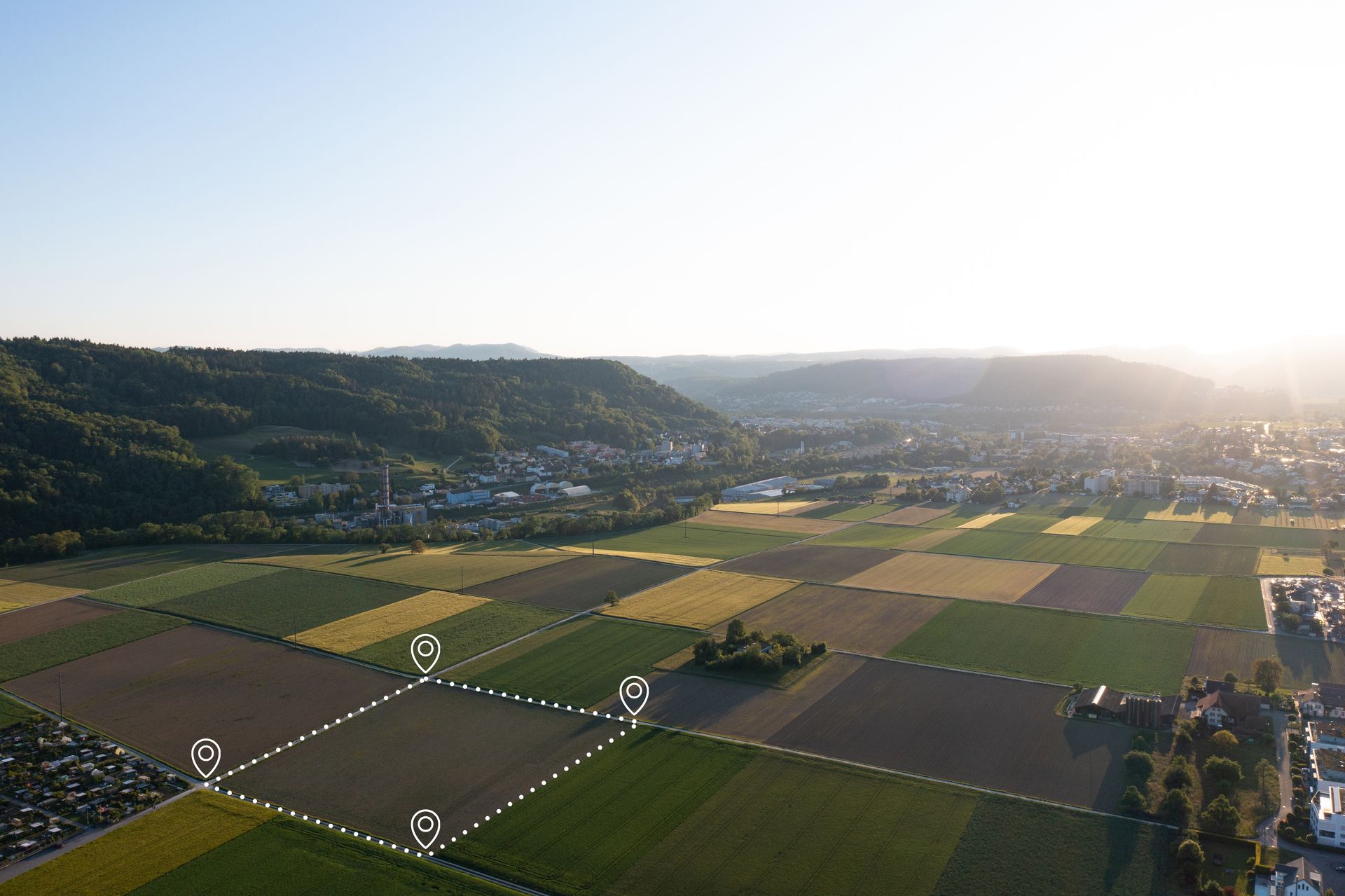
Aerial view of farmland with grid patterns, a town, and mountains under a bright sky.
By Grade Timber March 29, 2026
Grade Timber provides professional forestry consulting services in St. Charles, IL helping landowners maximize property value through sustainable forest management and strategic planning.
Yellow excavator on a construction site, surrounded by dirt, gravel, and trees.
By Grade Timber February 27, 2026
Grade Timber offers premier excavating services in Urbana, IL including grading, pond excavation, and site preparation backed by decades of experience in land development projects.
Interior of a boat cabin with wood paneling, light couches, and a coffee table.
February 2, 2026
Excellence: Grade Timber's White Oak and Walnut Veneer for Boat Builders
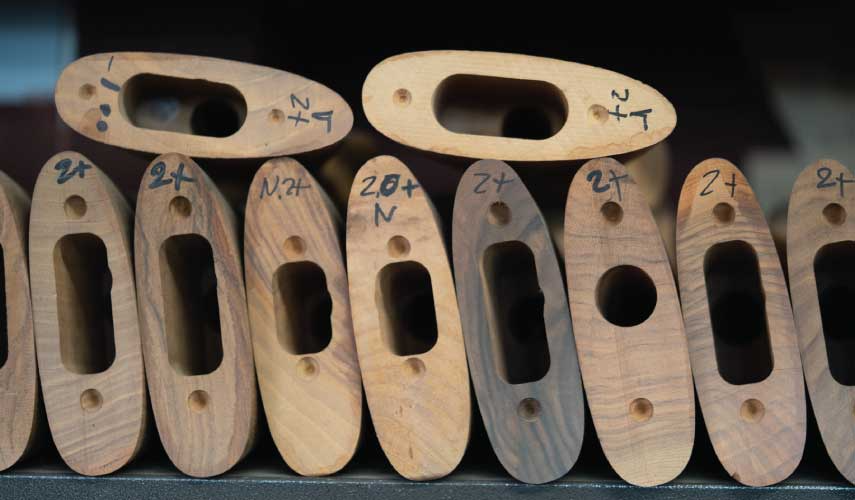
Wooden gun stocks, some labeled with numbers and letters, arranged in a row.
February 2, 2026
Hey there, fellow woodworking enthusiasts and firearm aficionados! If you've ever held a beautifully crafted rifle and marveled at the rich grain of its walnut stock, you might wonder about the journey that wood takes from a standing tree to that polished piece of art. Today, we're diving deep into the world of sawmills specializing in grading timbers and producing high-quality lumber specifically for gun makers. This process blends traditional craftsmanship with precise techniques to ensure the wood not only looks stunning but also performs under the rigors of shooting. Whether you're a gunsmith, a hunter, or just curious about the behind-the-scenes magic, let's break it down step by step. Selecting the Right Timber: The Foundation of Quality Gun Stocks It all starts in the forest. Gun stocks demand hardwoods that are dense, stable, and aesthetically pleasing—qualities that help absorb recoil, resist warping, and showcase beautiful figuring. Black walnut is the gold standard, often sourced from mature trees at least 24 inches in diameter for the best blanks. Other favorites include claro walnut, maple, or even cherry for historical replicas. Sawmills look for logs from old-growth trees, as these yield the dramatic patterns like fiddleback, burl, or feather crotch that elevate a stock from functional to exhibition-grade. Loggers harvest these trees carefully, cutting them into manageable lengths (often 4-6 feet for stock blanks) and transporting them to the mill. Here, the focus is on maximizing yield while preserving the wood's integrity. Defects like knots or cracks are avoided, as they can compromise the final product. The Sawmill Process: Turning Logs into Blanks At the sawmill, the real transformation begins. Portable band sawmills, like the Norwood HD38 or Woodland Mills HM126, are popular for this niche work because they allow for precise, custom cuts. The key technique? Quarter-sawing. This method involves cutting the log into quarters and then slicing perpendicular to the growth rings, producing straight-grained lumber that's less prone to warping—ideal for gun stocks. Here's a simplified breakdown of the steps: Debarking and Squaring: The log is debarked and squared into a cant (a large rectangular beam) using the mill's blade. This removes sapwood and exposes the heartwood. Slabbing and Cutting Blanks: The cant is rotated and cut into thick slabs, typically 3 inches wide and 34-54 inches long, depending on the rifle type. For black walnut, mills like those featured in custom videos aim to extract multiple blanks from a single log, maximizing the figured sections. Drying: Freshly cut blanks are air-dried or kiln-dried slowly to prevent cracking. A common tip? Seal the ends with hot wax and let them dry for 12 months. Some even hang them indoors with staples for even airflow. Rushing this with methods like alcohol soaking is possible but risky for high-end work. Take a look at this in action—here's a sawmill slicing walnut logs into potential gun stock blanks:
Fall foliage in a forest; trees with orange, yellow, and red leaves; sunlight.
January 29, 2026
As a landowner in Illinois, particularly in areas like Roxana with rich hardwood forests, you might be sitting on a literal goldmine of timber. With rising demand for premium woods like black walnut and white oak, understanding how to spot and appraise valuable trees can turn your property into a profitable asset. At Grade Timber, we're passionate about empowering landowners with the knowledge to make informed decisions. This post summarizes key steps from our free Illinois Landowner's Tree Value Field Guide, drawing on expert insights and current market trends. Whether you're considering a selective harvest or just curious about your woods' worth, let's dive in.