Firewood Processing Services Near Waltonville, IL: Turn Your Timber Into Usable Wood

Team Grade Timber • July 28, 2026

Firewood Processing Services Near Waltonville, IL: Turn Your Timber Into Usable Wood

Firewood processing services near Waltonville, IL convert raw logs and cleared timber into split, sized firewood using professional equipment that handles volume far faster than manual methods.

When Does Firewood Processing Make Sense for Your Property?

Firewood processing makes the most sense when you have logs or cleared timber on your property that is not large enough or high enough quality to sell as sawlog timber but is still solid, usable wood.

After a logging operation, clearing project, or storm cleanup, you are often left with smaller-diameter material, crooked pieces, and low-grade logs that have no buyer as standing timber. Running this wood through a professional firewood processor converts it into a usable product rather than leaving it to rot in place or paying for it to be hauled away. Properties with a regular supply of material can even turn firewood processing into a revenue stream.

Tree species like red oak, hickory, ash, and mixed hardwoods that are too common to attract premium timber buyers produce excellent firewood. If you have any of these species on your Jefferson County land, processing them after a logging or clearing operation is one of the most efficient ways to extract remaining value. Learn more about how we handle firewood processing for landowners in southern Illinois.

What Illinois Timber Permitting Rules Apply to Firewood Operations?

In Illinois, selling firewood commercially is subject to regulations related to the movement of untreated firewood, particularly to prevent the spread of invasive insects like the emerald ash borer and Asian longhorned beetle.

Illinois follows federal USDA guidelines that restrict moving untreated firewood more than a limited distance from its source, especially across county or state lines. If you are processing firewood for personal use on your own land, these restrictions generally do not apply. However, if you plan to sell or distribute firewood, you need to understand which regulations apply to your county and the destination of the wood. Waltonville sits in Jefferson County, where ash trees have been significantly impacted by the emerald ash borer, making awareness of these rules especially relevant for anyone handling ash timber.

Working with a professional firewood processor who understands these requirements helps you avoid unintentional violations while still making productive use of your harvested material. When in doubt, check with the Illinois Department of Natural Resources for the most current guidance on firewood movement rules.

How Do Professional Firewood Processors Handle Large Volumes Efficiently?

Professional firewood processors use high-capacity equipment like the Tajfun line of firewood machines, which can split and cut large volumes of material in a fraction of the time required by manual or consumer-grade equipment.

Where a homeowner with a splitting maul might process a cord in a day, a professional processor with the right machine can handle multiple cords per hour. This efficiency matters when you have a significant amount of material to get through after a clearing or logging project and want it handled before the wood begins to degrade. Properly processed firewood that is split and stacked to allow airflow reaches a usable moisture level far faster than whole logs left on the ground.

The right processor also handles a wide range of log diameters and species without requiring manual pre-sorting, which keeps the operation moving efficiently even when dealing with mixed material from a timber project. If you are managing a larger property with ongoing material generation, having a processing partner who can mobilize equipment to your site is far more practical than hauling logs to a fixed location.

Getting the Most Out of Timber That Does Not Qualify for a Sawlog Sale

Not every tree on your property will attract a timber buyer, and that is perfectly normal. Lower-grade material, smaller-diameter logs, and species with limited commercial appeal still have real value as firewood, and professional processing is the most efficient way to realize that value.

The key is sequencing your project so that high-grade timber is identified and set aside for sale before processing begins on lower-grade material. A combined approach — where a timber buyer handles the premium wood and a firewood processor handles the rest — gets the most out of every log on your property without waste.

If your land also has ongoing logging needs beyond what you have already addressed, our logging services can be sequenced alongside firewood processing to handle both grades of material in a single coordinated project.

Processed firewood represents real value hiding in material most landowners would otherwise ignore or discard.

Explore Grade Timber's firewood processing options and find out how your Waltonville-area timber byproducts can be put to productive use.
By Team Grade Timber June 28, 2026
Land management in Fairfield, IL helps rural property owners protect timber value, improve wildlife habitat, and plan long-term harvesting strategies across wooded acreage.
By Team Grade Timber May 28, 2026
Land clearing in McLeansboro, IL helps rural property owners prepare farmland and wooded parcels for new use. Discover how the process works and when timber value can offset costs.
By Team Grade Timber May 28, 2026
Selling timber in Mount Vernon, IL lets landowners earn income from mature walnut and white oak. Learn how the process works and what Grade Timber looks for in a harvest.
By Team Grade Timber May 28, 2026
Logging services in Springfield, IL help landowners manage timber, clear overgrowth, and prepare property for future use with low-impact, professional harvesting techniques.
Aerial view of farmland with grid patterns, a town, and mountains under a bright sky.
By Grade Timber March 29, 2026
Grade Timber provides professional forestry consulting services in St. Charles, IL helping landowners maximize property value through sustainable forest management and strategic planning.
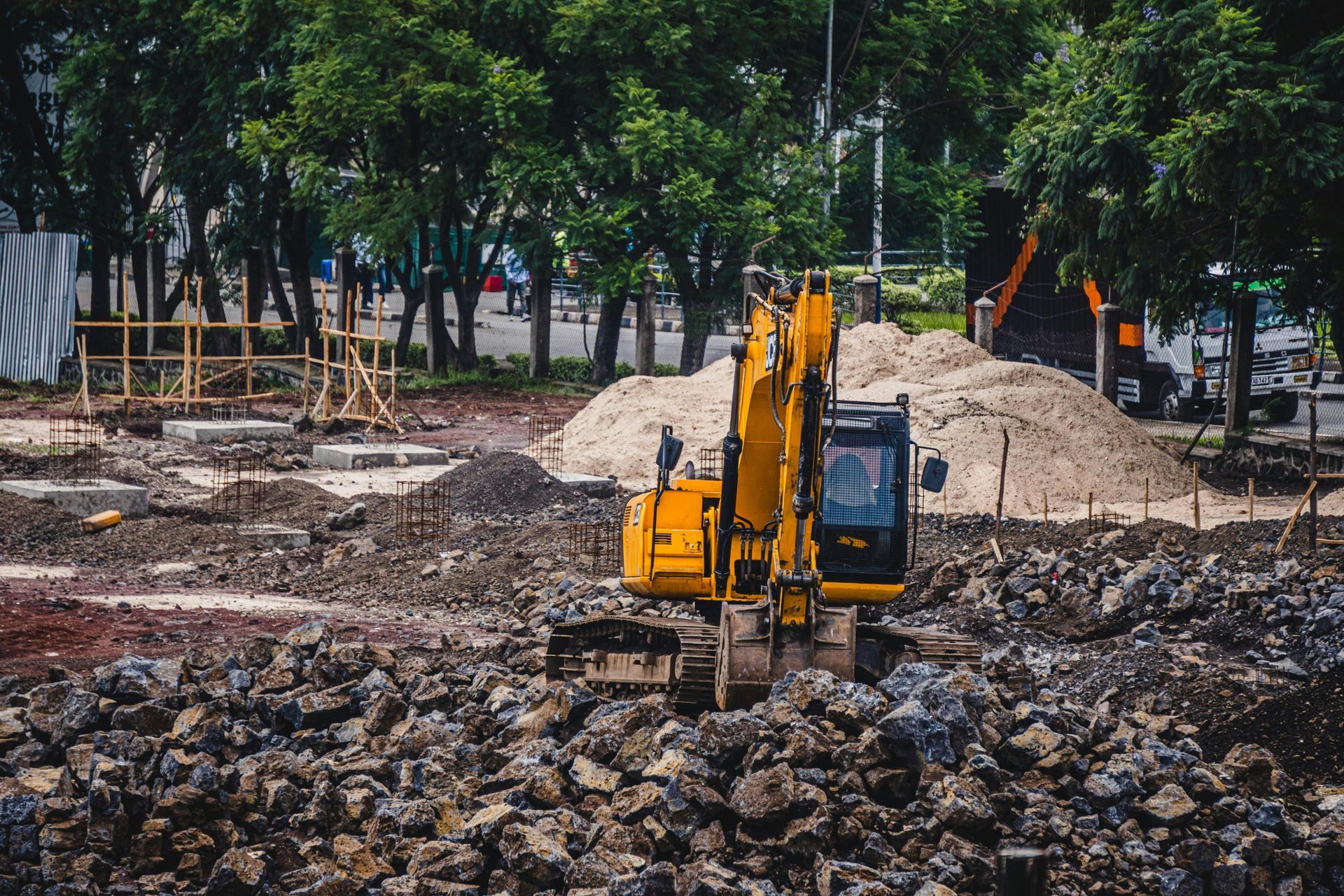
Yellow excavator on a construction site, surrounded by dirt, gravel, and trees.
By Grade Timber February 27, 2026
Grade Timber offers premier excavating services in Urbana, IL including grading, pond excavation, and site preparation backed by decades of experience in land development projects.
Interior of a boat cabin with wood paneling, light couches, and a coffee table.
February 2, 2026
Excellence: Grade Timber's White Oak and Walnut Veneer for Boat Builders
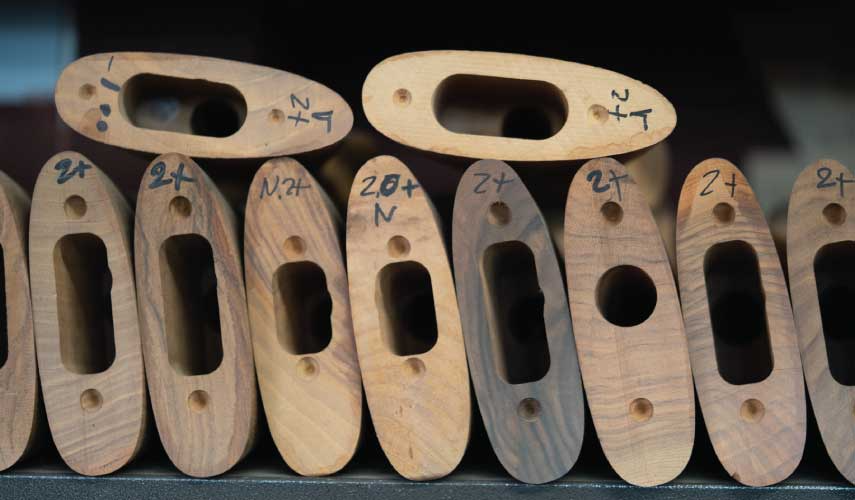
Wooden gun stocks, some labeled with numbers and letters, arranged in a row.
February 2, 2026
Hey there, fellow woodworking enthusiasts and firearm aficionados! If you've ever held a beautifully crafted rifle and marveled at the rich grain of its walnut stock, you might wonder about the journey that wood takes from a standing tree to that polished piece of art. Today, we're diving deep into the world of sawmills specializing in grading timbers and producing high-quality lumber specifically for gun makers. This process blends traditional craftsmanship with precise techniques to ensure the wood not only looks stunning but also performs under the rigors of shooting. Whether you're a gunsmith, a hunter, or just curious about the behind-the-scenes magic, let's break it down step by step. Selecting the Right Timber: The Foundation of Quality Gun Stocks It all starts in the forest. Gun stocks demand hardwoods that are dense, stable, and aesthetically pleasing—qualities that help absorb recoil, resist warping, and showcase beautiful figuring. Black walnut is the gold standard, often sourced from mature trees at least 24 inches in diameter for the best blanks. Other favorites include claro walnut, maple, or even cherry for historical replicas. Sawmills look for logs from old-growth trees, as these yield the dramatic patterns like fiddleback, burl, or feather crotch that elevate a stock from functional to exhibition-grade. Loggers harvest these trees carefully, cutting them into manageable lengths (often 4-6 feet for stock blanks) and transporting them to the mill. Here, the focus is on maximizing yield while preserving the wood's integrity. Defects like knots or cracks are avoided, as they can compromise the final product. The Sawmill Process: Turning Logs into Blanks At the sawmill, the real transformation begins. Portable band sawmills, like the Norwood HD38 or Woodland Mills HM126, are popular for this niche work because they allow for precise, custom cuts. The key technique? Quarter-sawing. This method involves cutting the log into quarters and then slicing perpendicular to the growth rings, producing straight-grained lumber that's less prone to warping—ideal for gun stocks. Here's a simplified breakdown of the steps: Debarking and Squaring: The log is debarked and squared into a cant (a large rectangular beam) using the mill's blade. This removes sapwood and exposes the heartwood. Slabbing and Cutting Blanks: The cant is rotated and cut into thick slabs, typically 3 inches wide and 34-54 inches long, depending on the rifle type. For black walnut, mills like those featured in custom videos aim to extract multiple blanks from a single log, maximizing the figured sections. Drying: Freshly cut blanks are air-dried or kiln-dried slowly to prevent cracking. A common tip? Seal the ends with hot wax and let them dry for 12 months. Some even hang them indoors with staples for even airflow. Rushing this with methods like alcohol soaking is possible but risky for high-end work. Take a look at this in action—here's a sawmill slicing walnut logs into potential gun stock blanks:
Fall foliage in a forest; trees with orange, yellow, and red leaves; sunlight.
January 29, 2026
As a landowner in Illinois, particularly in areas like Roxana with rich hardwood forests, you might be sitting on a literal goldmine of timber. With rising demand for premium woods like black walnut and white oak, understanding how to spot and appraise valuable trees can turn your property into a profitable asset. At Grade Timber, we're passionate about empowering landowners with the knowledge to make informed decisions. This post summarizes key steps from our free Illinois Landowner's Tree Value Field Guide, drawing on expert insights and current market trends. Whether you're considering a selective harvest or just curious about your woods' worth, let's dive in.
Dark brown wood grain texture.
January 29, 2026
As of early 2026, the black walnut timber market in Illinois is showing signs of stabilization and potential growth, building on a recovery from softer conditions in prior years. Black walnut remains a premium hardwood species, valued for its dark color, durability, and applications in high-end furniture, flooring, cabinetry, gunstocks, and veneer products. Market trends are influenced by domestic housing and remodeling activity, export demand (particularly to Asia), supply chain constraints, and economic factors like interest rates. While specific 2026 price reports are not yet available (Illinois Department of Natural Resources typically releases semi-annual updates), forecasts draw from late 2025 data and industry projections, indicating cautious optimism with possible price fluctuations depending on supply and demand dynamics. Illinois, with its fertile soils in regions like the southern and central parts of the state, is a key producer of black walnut, contributing to the Midwest's hardwood supply. However, challenges such as wet weather impacting logging, mill closures, and labor shortages have kept inventories lean, potentially setting the stage for price increases if demand accelerates. Overall, experts anticipate a balanced market, with walnut performing strongly compared to other hardwoods due to shifting consumer preferences toward darker, rustic woods.