Logging Winches in Chicago, IL: Power Up with Grade Timber
June 27, 2025
For loggers, tree service professionals, and landowners in Chicago, IL, logging winches are a game-changer for safe, efficient timber harvesting. Whether you’re navigating a tight urban lot or a rural forest, a high-quality winch simplifies pulling logs and reduces manual effort. At [Grade Timber](https://www.gradetimber.com), we’re Chicago’s trusted supplier of Tajfun logging winches, renowned for their power, durability, and precision. In this guide, we’ll explore why winches are essential in Chicago, what makes Tajfun winches stand out, and how Grade Timber can help you choose the right one. Ready to streamline your logging? Call (309) 264-0805 or visit [gradetimber.com](https://www.gradetimber.com) for a free quote!
Learn More
Why Logging Winches Matter in Chicago
Chicago’s diverse landscape—from dense urban neighborhoods to nearby rural woodlands—presents unique logging challenges. Logging winches address these with precision and efficiency:
- Urban Logging: In Chicago’s residential areas, winches pull logs without damaging fences, buildings, or landscapes, ideal for tree removal or small harvests.
- Rural Harvesting: In forests near Chicago, winches handle heavy hardwoods like walnut and white oak, supporting Illinois’ thriving forestry sector (source: [Illinois Department of Natural Resources](https://www.dnr.illinois.gov)).
- Safety First: Winches reduce the risks of manual log handling, ensuring operator safety in Chicago’s busy work environments.
- Versatility: From flat city lots to uneven rural terrain, winches adapt to Chicago’s varied conditions.
As a Tajfun dealer, Grade Timber equips Chicago loggers with tools that boost productivity while meeting [Illinois Forestry Association](https://www.ilforestry.org) sustainability standards.
Tajfun Logging Winches at Grade Timber
Tajfun winches are industry leaders, designed for Chicago’s toughest forestry tasks. Here’s why they’re the best choice:
- Powerful Performance: Models like the Tajfun EGV 65 AHK offer high pulling capacity, perfect for heavy logs in Chicago’s hardwood forests.
- Compact and Agile: Their slim design navigates tight urban spaces, a must for Chicago’s residential projects.
- Advanced Safety: Features like automatic brakes and ergonomic controls protect operators, aligning with OSHA standards (source: [Tajfun](https://www.tajfun.com)).
- Built to Last: Tajfun winches withstand Chicago’s humid summers and icy winters, ensuring year-round reliability.
Client Testimonial: “Grade Timber’s Tajfun winch saved us hours on our Chicago logging job. It’s a beast!” – Mike T., Chicago, IL.
Our Madison County facility ensures fast delivery to Chicago, so you can start using your winch without delay.
How to Use a Logging Winch Effectively
To maximize your Tajfun winch’s performance, follow these tips:
- Secure Setup: Anchor the winch to a stable base, like a tree or vehicle, to ensure safe pulling, especially in Chicago’s urban lots.
- Assess Terrain: Clear obstacles in city sites and watch for slopes in rural areas to avoid cable snags.
- Regular Maintenance: Clean and lubricate cables and components after use to keep your winch in top shape, particularly in Chicago’s variable weather.
- Safety Protocols: Wear protective gear (gloves, helmet, eye protection) and follow Tajfun’s operating guidelines to prevent accidents.
Grade Timber offers training and support to help you master your winch, ensuring safe and efficient operation.
Why Buy from Grade Timber?
Choosing Grade Timber for your logging winch means partnering with a Chicago-focused expert. Here’s what sets us apart:
- Local Knowledge: Illinois-based, we understand Chicago’s urban and rural logging needs, from city regulations to forest conditions.
- Premium Equipment: As a Tajfun dealer, we provide top-tier winches with warranties and reliable performance.
- Personalized Service: Our team helps you select the right winch and offers ongoing maintenance support.
- Eco-Friendly Focus: Our equipment supports sustainable logging, preserving Chicago’s green spaces for the future.
Fun Fact: Tajfun winches are used worldwide, but Grade Timber tailors them to Chicago’s unique forestry challenges, ensuring a perfect fit.
Get Started Today
Don’t let Chicago’s logging demands slow you down. With Grade Timber’s Tajfun logging winches, you’ll tackle projects with power and precision. Call us at (309) 264-0805 or visit [gradetimber.com](https://www.gradetimber.com) to explore our winches and get a free quote. For more insights, check our blogs on [Forestry Equipment in Chicago](https://www.gradetimber.com/forestry-equipment-chicago-il) and [Logging Services in Chicago](https://www.gradetimber.com/logging-services-chicago-il). Got a winch tip or story? Share it in the comments or on X with #LoggingWinches #ChicagoLogging #GradeTimber!
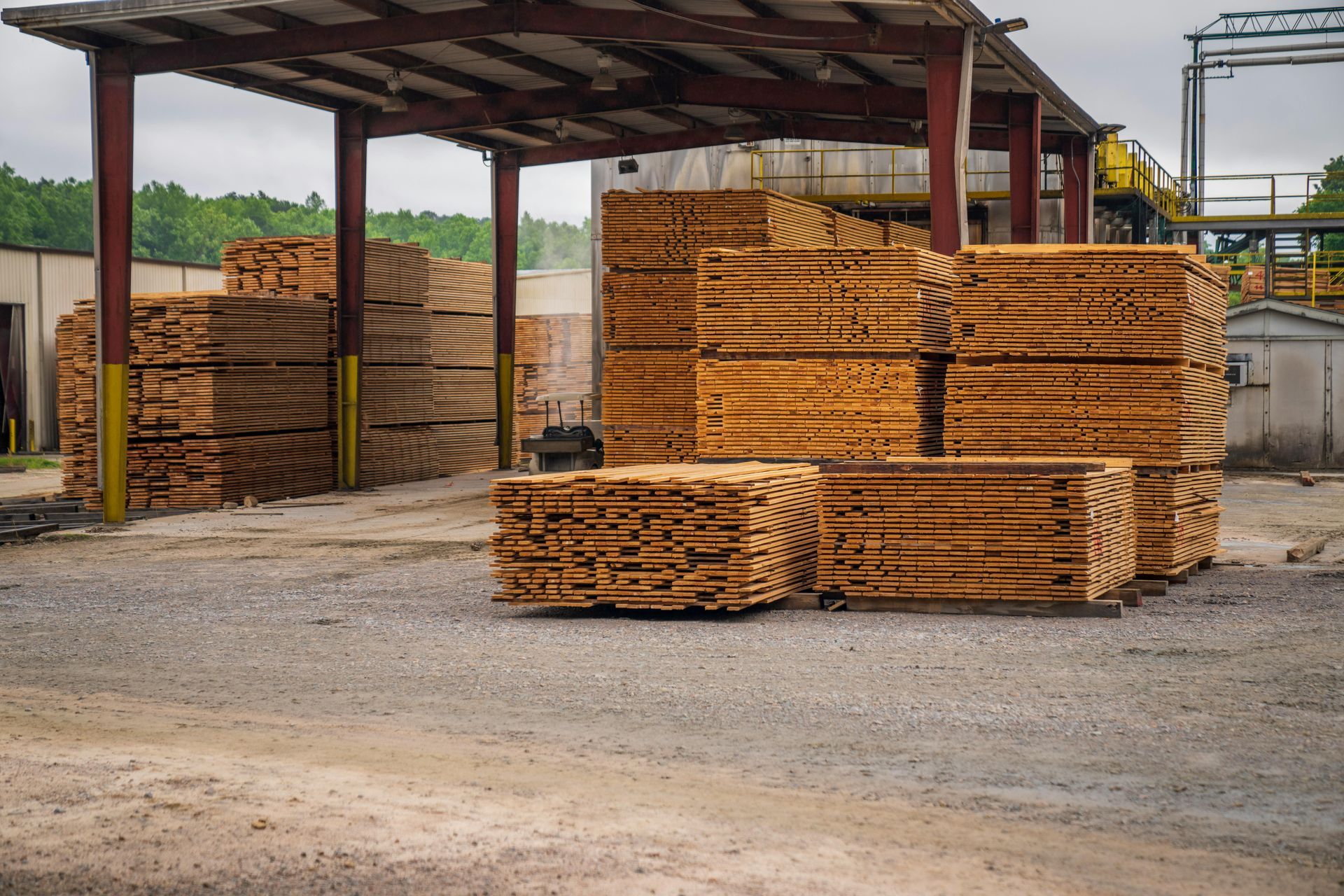
Custom sawmill and processing services for Decatur, IL landowners convert raw Illinois hardwood logs into dimensional lumber, slabs, and specialty products with precise, custom cuts.
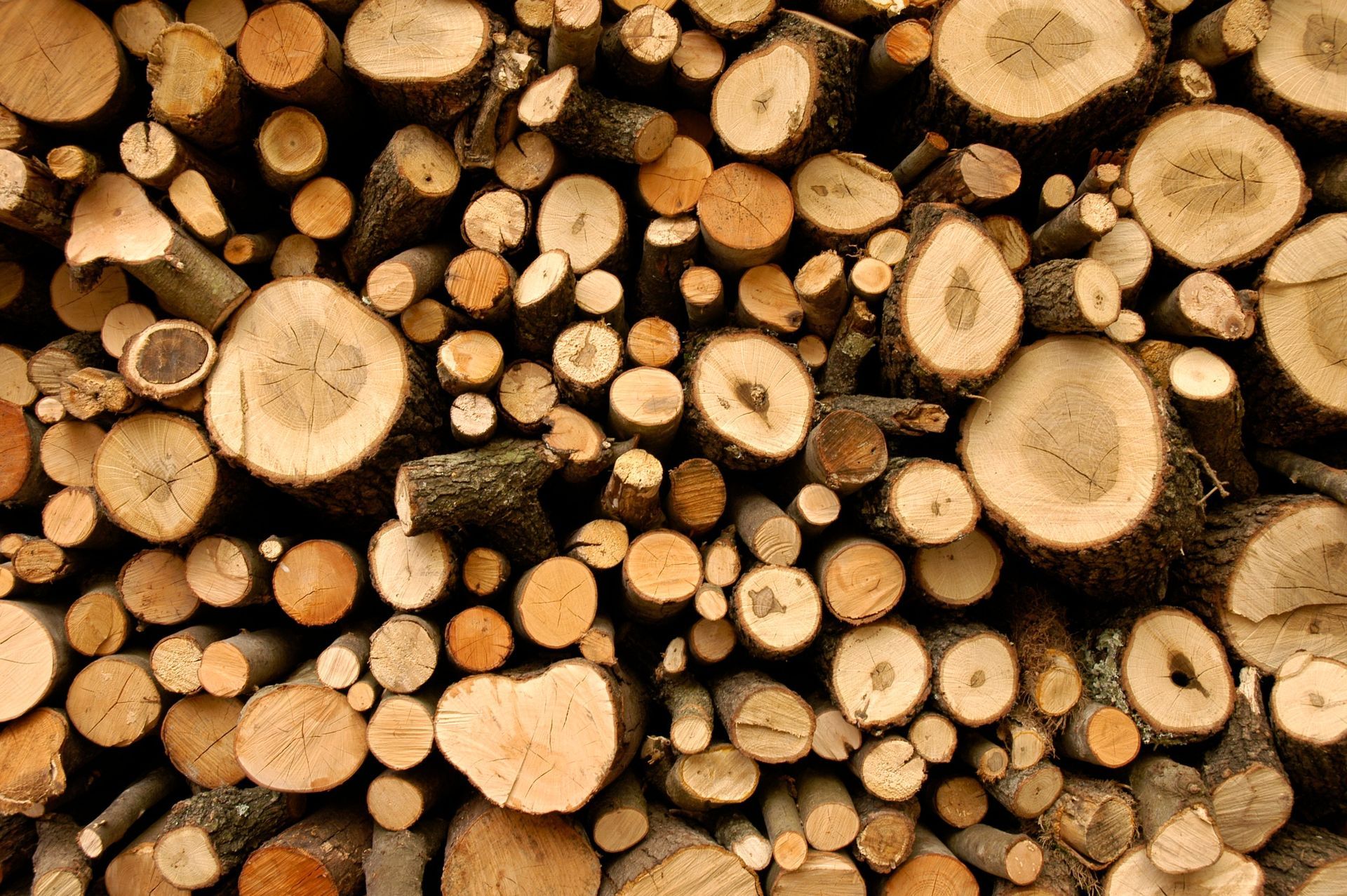
Firewood processing services near Waltonville, IL convert low-grade and cleared timber into split firewood using professional equipment, helping landowners recover value from every log.

Land management in Fairfield, IL helps rural property owners protect timber value, improve wildlife habitat, and plan long-term harvesting strategies across wooded acreage.

Land clearing in McLeansboro, IL helps rural property owners prepare farmland and wooded parcels for new use. Discover how the process works and when timber value can offset costs.
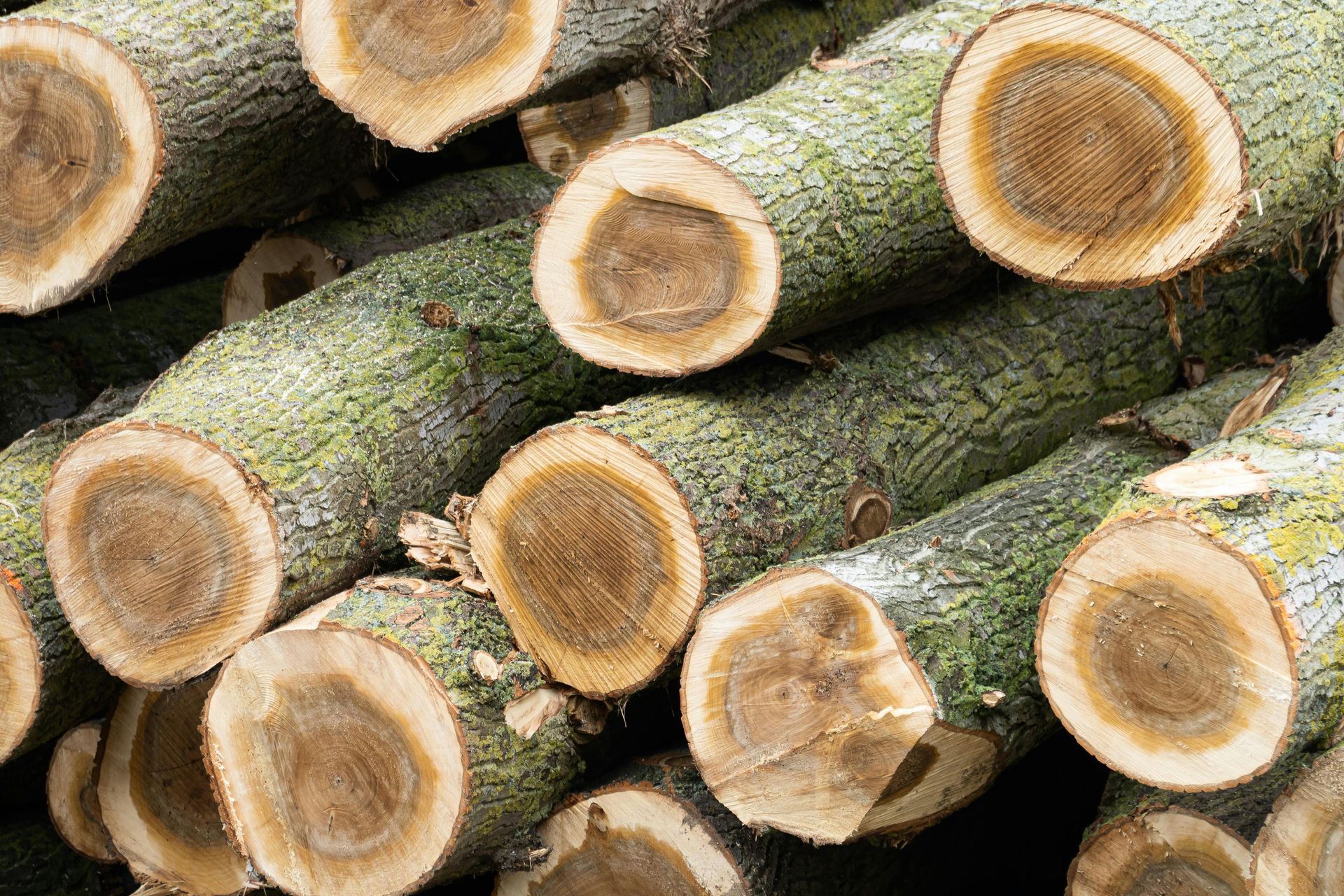
Selling timber in Mount Vernon, IL lets landowners earn income from mature walnut and white oak. Learn how the process works and what Grade Timber looks for in a harvest.
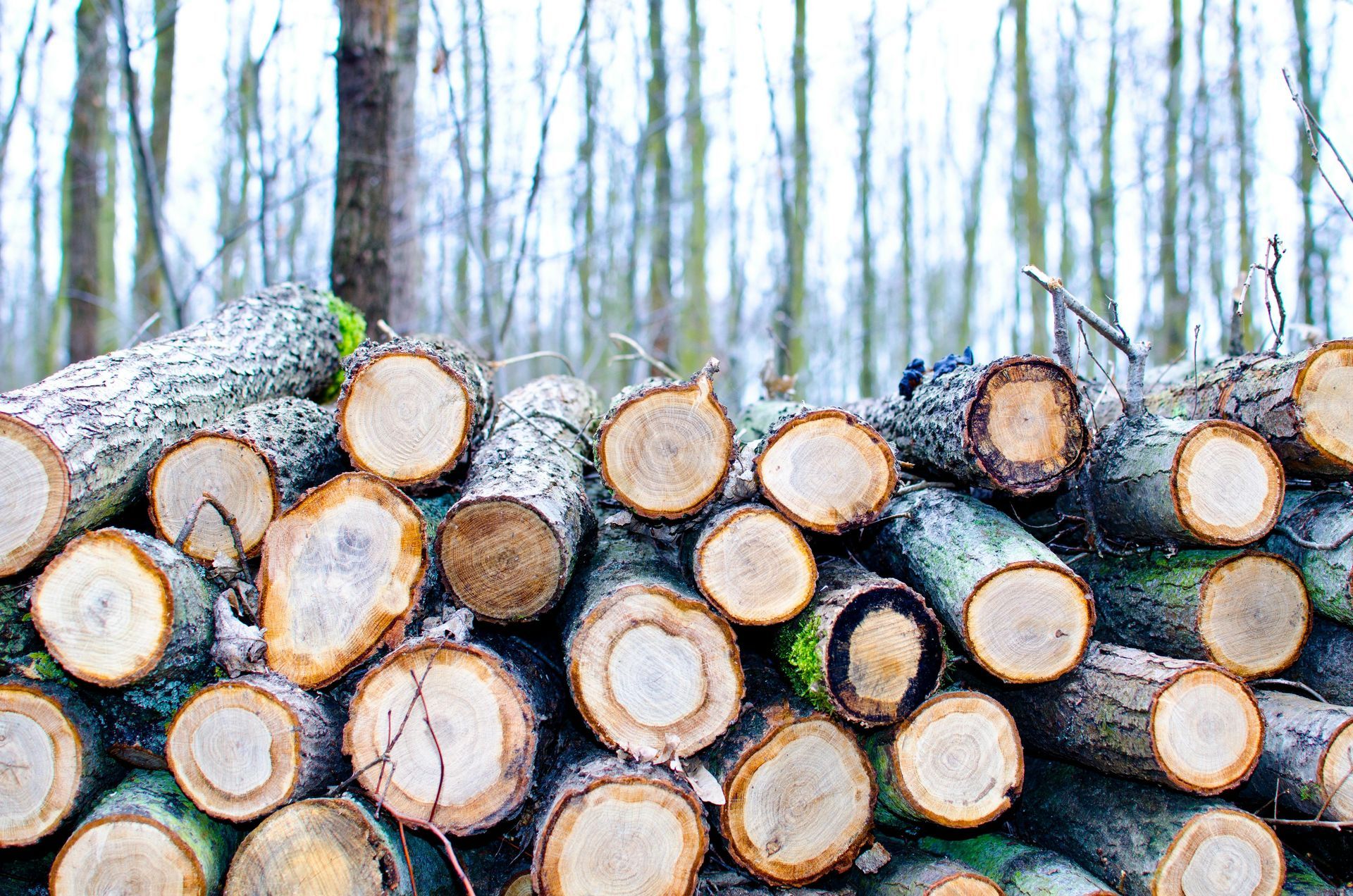
Logging services in Springfield, IL help landowners manage timber, clear overgrowth, and prepare property for future use with low-impact, professional harvesting techniques.
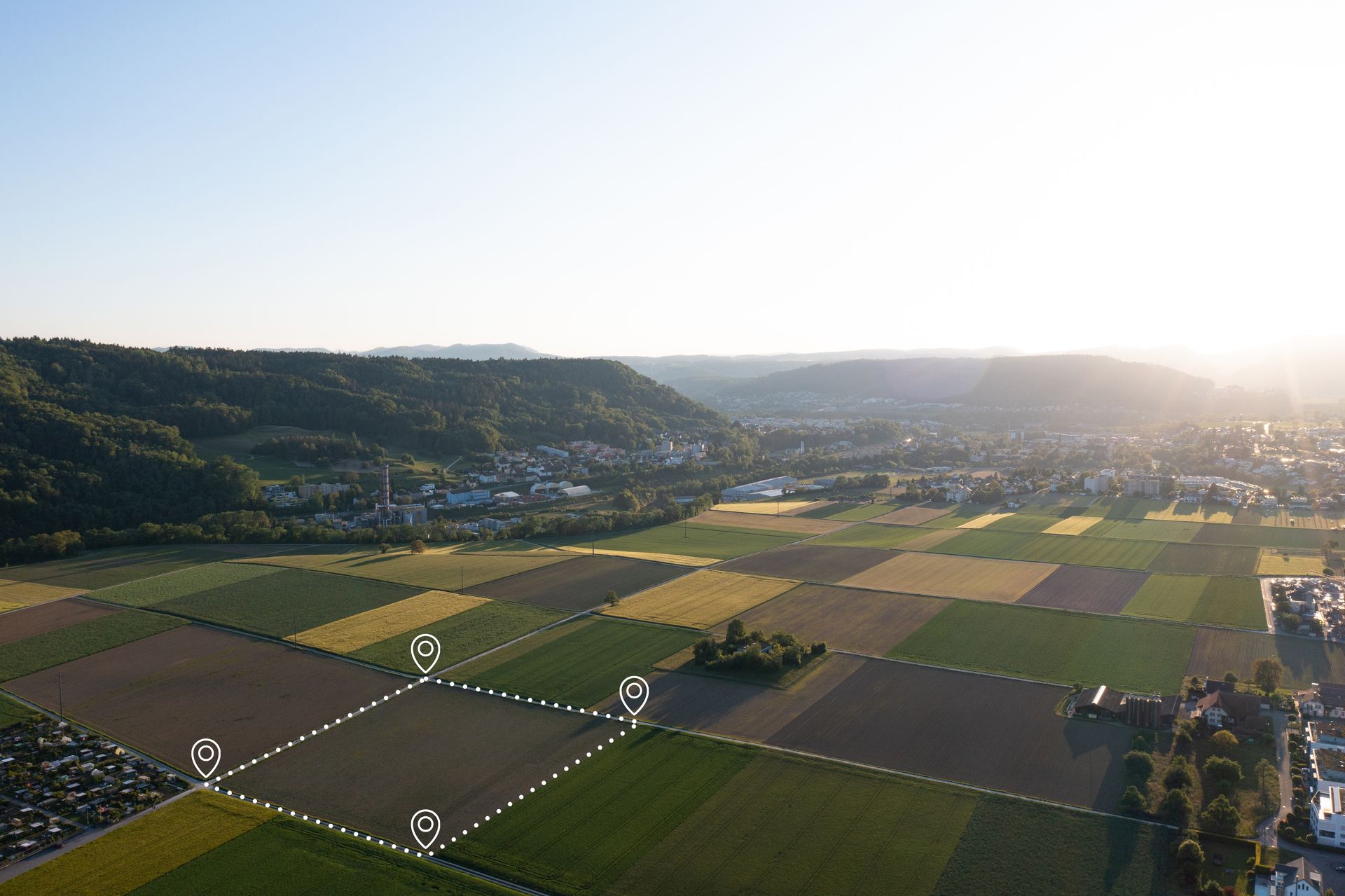
Grade Timber provides professional forestry consulting services in St. Charles, IL helping landowners maximize property value through sustainable forest management and strategic planning.

Grade Timber offers premier excavating services in Urbana, IL including grading, pond excavation, and site preparation backed by decades of experience in land development projects.

Excellence: Grade Timber's White Oak and Walnut Veneer for Boat Builders
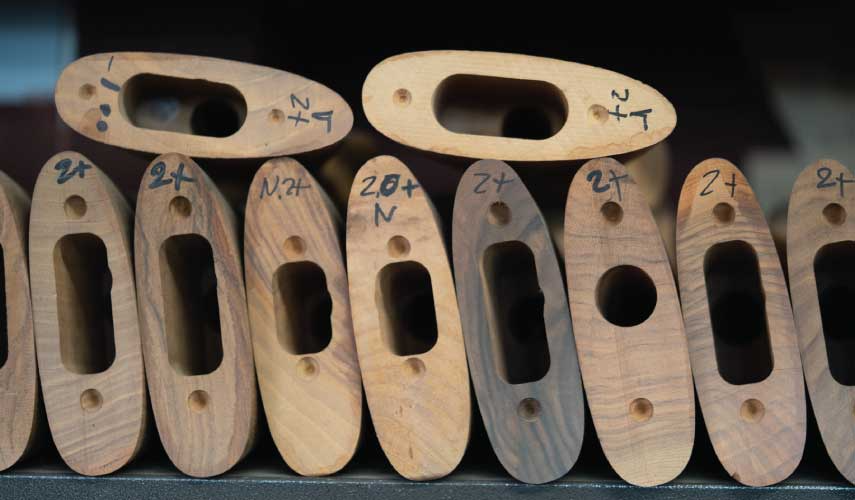
Hey there, fellow woodworking enthusiasts and firearm aficionados! If you've ever held a beautifully crafted rifle and marveled at the rich grain of its walnut stock, you might wonder about the journey that wood takes from a standing tree to that polished piece of art. Today, we're diving deep into the world of sawmills specializing in grading timbers and producing high-quality lumber specifically for gun makers. This process blends traditional craftsmanship with precise techniques to ensure the wood not only looks stunning but also performs under the rigors of shooting. Whether you're a gunsmith, a hunter, or just curious about the behind-the-scenes magic, let's break it down step by step. Selecting the Right Timber: The Foundation of Quality Gun Stocks It all starts in the forest. Gun stocks demand hardwoods that are dense, stable, and aesthetically pleasing—qualities that help absorb recoil, resist warping, and showcase beautiful figuring. Black walnut is the gold standard, often sourced from mature trees at least 24 inches in diameter for the best blanks. Other favorites include claro walnut, maple, or even cherry for historical replicas. Sawmills look for logs from old-growth trees, as these yield the dramatic patterns like fiddleback, burl, or feather crotch that elevate a stock from functional to exhibition-grade. Loggers harvest these trees carefully, cutting them into manageable lengths (often 4-6 feet for stock blanks) and transporting them to the mill. Here, the focus is on maximizing yield while preserving the wood's integrity. Defects like knots or cracks are avoided, as they can compromise the final product. The Sawmill Process: Turning Logs into Blanks At the sawmill, the real transformation begins. Portable band sawmills, like the Norwood HD38 or Woodland Mills HM126, are popular for this niche work because they allow for precise, custom cuts. The key technique? Quarter-sawing. This method involves cutting the log into quarters and then slicing perpendicular to the growth rings, producing straight-grained lumber that's less prone to warping—ideal for gun stocks. Here's a simplified breakdown of the steps: Debarking and Squaring: The log is debarked and squared into a cant (a large rectangular beam) using the mill's blade. This removes sapwood and exposes the heartwood. Slabbing and Cutting Blanks: The cant is rotated and cut into thick slabs, typically 3 inches wide and 34-54 inches long, depending on the rifle type. For black walnut, mills like those featured in custom videos aim to extract multiple blanks from a single log, maximizing the figured sections. Drying: Freshly cut blanks are air-dried or kiln-dried slowly to prevent cracking. A common tip? Seal the ends with hot wax and let them dry for 12 months. Some even hang them indoors with staples for even airflow. Rushing this with methods like alcohol soaking is possible but risky for high-end work. Take a look at this in action—here's a sawmill slicing walnut logs into potential gun stock blanks: